

TL;DR: SMTP Error 553 5.1.3 means the receiving server rejected your message because the recipient’s email address isn’t in a valid format – usually a typo, an unsupported character, or a missing “@” and domain. Fix it by double-checking the recipient’s address, then confirming your outgoing SMTP settings in Gmail, Outlook, or Yahoo and resending. The exact steps for each provider are below.
Email is still a crucial tool in our digital age. It continues to power communication for businesses and individuals alike. It fuels connections, nurtures leads, and drives sales. But every once in a while, a carefully written email never reaches its recipient. One frequent culprit behind failed deliveries is SMTP Error 553 5.1.3.
While frustrating indeed, this error has a fix. So don’t fret. Like the other errors under the Simple Mail Transfer Protocol (SMTP) family, SMTP Email Error 553 5.1.3 can also be conquered.
This guide contains the specifics of SMTP Error 553 5.1.3. We’ve also compiled solutions to keep your email communication smooth and stress-free, ensuring your emails land in inboxes. It’s just one entry in Warmy’s full library of SMTP error codes and fixes, in case you run into a different code along the way.
Defining SMTP Error 553 5.1.3
This error means there’s a problem or issue with the format of the recipient’s email address. Maybe there’s a typo. Some special characters are unsupported. Sometimes, the email address format is not recognized as valid by the email server.
Users encountering this issue might see messages such as:
- “553 5.1.3 The recipient address <email_address> is not a valid RFC-5321 address.”
- “Error 553 5.1.3: <email_address>… User address is malformed.”
- “Failed to send; SMTP server error 553 5.1.3 <email_address>… Syntax error in mailbox address.”
The “RFC-5321” reference in that message points to RFC 5321, the IETF standard that defines valid SMTP address syntax – the technical rulebook behind the format check. If your server returns the same 553 code without the 5.1.3 subcode, see our guide to SMTP Error 553 for that variant.
Root causes of SMTP Error 553 5.1.3
SMTP Email Error 553 5.1.3 can arise from several factors, primarily related to issues with the email address format being sent to. Understanding these common causes can help in effectively diagnosing and solving the problem:
Incorrect email address
The most straightforward reason is simply typing the email address incorrectly. This could mean misspelling the address, omitting characters, or including spaces and special characters that aren’t typically part of email formats.
Improper email format
Some email servers have strict rules about which characters can appear in an email address. Using unsupported characters (even if they’re technically valid in other contexts) can trigger SMTP Email Error 553 5.1.3.
Unsupported characters
Email addresses should always follow a specific format, which is name@domain.com. So if an email address doesn’t follow this, or misses the “@” symbol or the domain part, this will lead to an error.
Misconfigurations in email client
Sometimes, the way an email client (like Outlook or Gmail) is configured can cause it to incorrectly format outgoing email addresses. Yes, even if you’ve entered them correctly.
A similar-looking client misconfiguration can also trigger SMTP Error 553 5.7.1, which flags a policy or authentication issue rather than a formatting one.
Issues with mail exchange records
Misconfigured MX records on the receiver’s end can lead to undelivered emails. Though this can also generate different error codes, it’s still worth reviewing if the format is correct. One of those related codes is SMTP Error 553 5.3.0, which points to a mailbox-storage problem on the receiving end rather than a formatting one.
Troubleshooting guide to resolving SMTP Error 553 5.1.3
There’s no need to worry when you see this error. However, knowing how to resolve this will help you determine your next steps.
For Gmail users
- Verify email address format. Review the recipient’s email address for any typos or formatting errors. Make sure it follows the required format.
- Check account settings. Go to Settings > See all settings > Accounts and Import. Under “Send mail as,” ensure the email address is correctly formatted and verified.
- Review SMTP settings. Ensure that the SMTP server is set to smtp.gmail.com, the port is set to 587 (for TLS) or 465 (for SSL), and that “Use Authentication” is enabled with your correct Gmail address and password
Pro tip: Copy the recipient’s address straight from your contacts list instead of retyping it – that one habit prevents most of the typos that trigger this error in the first place.
For Outlook users
- Verify your email address. Similar to Gmail, start by reviewing and verifying the format of the recipient’s email address.
- Adjust email account settings. Head over to File > Account Settings > Server Settings. Click on Outgoing Mail and confirm the SMTP settings are correct: server smtp-mail.outlook.com, port 587, and encryption method TLS.
- Ensure correct authentication. Look for “My outgoing (SMTP) server requires authentication” and “Use the same settings as my incoming mail server” and ensure they are checked or selected.
Pro tip: If you copied the address from a webpage or PDF, paste it into a plain-text editor first. Hidden characters carried over from formatted text are a common, invisible cause of a malformed-address error.
For Yahoo! users
- Check the recipient’s email address. Make sure it is free of errors and formatted correctly.
- Review your SMTP configuration settings. Go to Account Info > Account Security > Manage App Passwords. Follow Yahoo’s app password guide to generate a unique password for your email app, then use it with your email address to authenticate your SMTP server.
- Check your SMTP server details. Set to smtp.mail.yahoo.com, with port 465 (SSL required) or 587 (TLS required).
Pro tip: If the address checks out and the error still won’t clear, the root cause is often reputation, not syntax. A quick deliverability check can tell you which one you’re actually dealing with.
Don’t want to chase these errors one at a time? Start a free 7-day trial of Warmy.io and let automated warmup build the sender reputation that keeps future emails out of trouble.
How email warmup services help in reducing SMTP Error 553 5.1.3

Email warmup tools do more than stop today’s SMTP errors – they build the long-term sender reputation that prevents tomorrow’s. Warmy.io, for example, not only reduces the chances of encountering errors like SMTP Error 553 5.1.3, it also gradually builds your sender reputation. Warmy.io does this by gradually increasing the volume of emails sent from your email, mimicking human-like activity to establish your reputation with email service providers and ISPs.
Benefits of using email warmup services:
- Builds sender reputation. Sending more emails gradually over time helps in building a positive sender reputation.
- Reduces email bounces. When you have a better sender reputation, this reduces the likelihood of your emails bouncing or being marked as spam.
- Prevents blacklisting. A good sender reputation also helps in preventing your email domain from being blacklisted by major email service providers. It sends a message that you are safe and you are reliable.
- Improves email engagement rates. Emails that land in inboxes have bigger chances to be opened, read, and clicked on. So this essentially improves overall engagement rates.
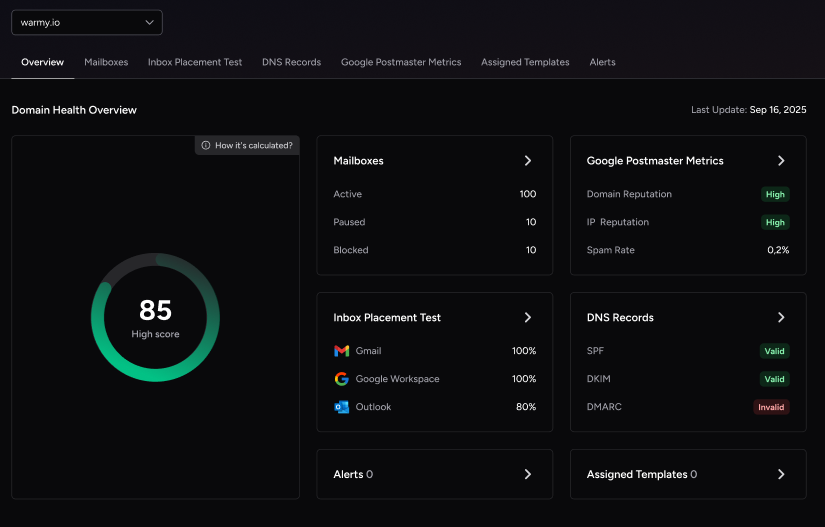
Warmy.io also offers additional tools that complement its warmup service, further ensuring your emails are delivered successfully:
- Free Email Deliverability Test. Get the real deal and valuable insights on how likely your emails are to be delivered to your recipient’s inbox, providing insights on areas for improvement.
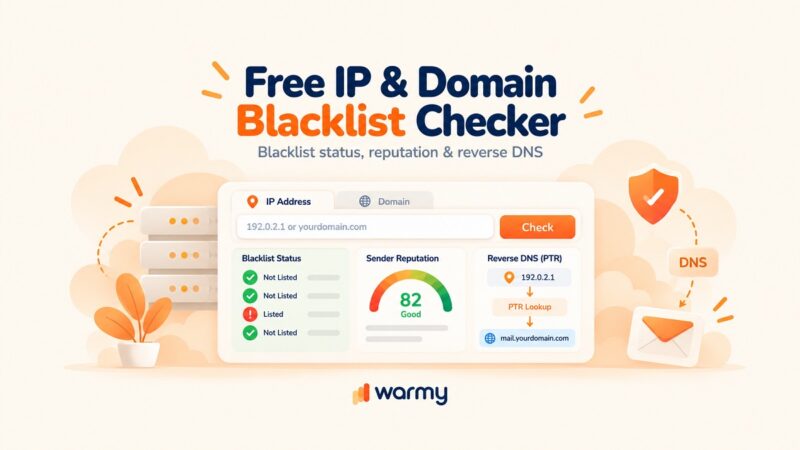
- Blacklist Checks. Warmy.io can check if your email domain has been blacklisted, which is a common cause of email delivery issues.
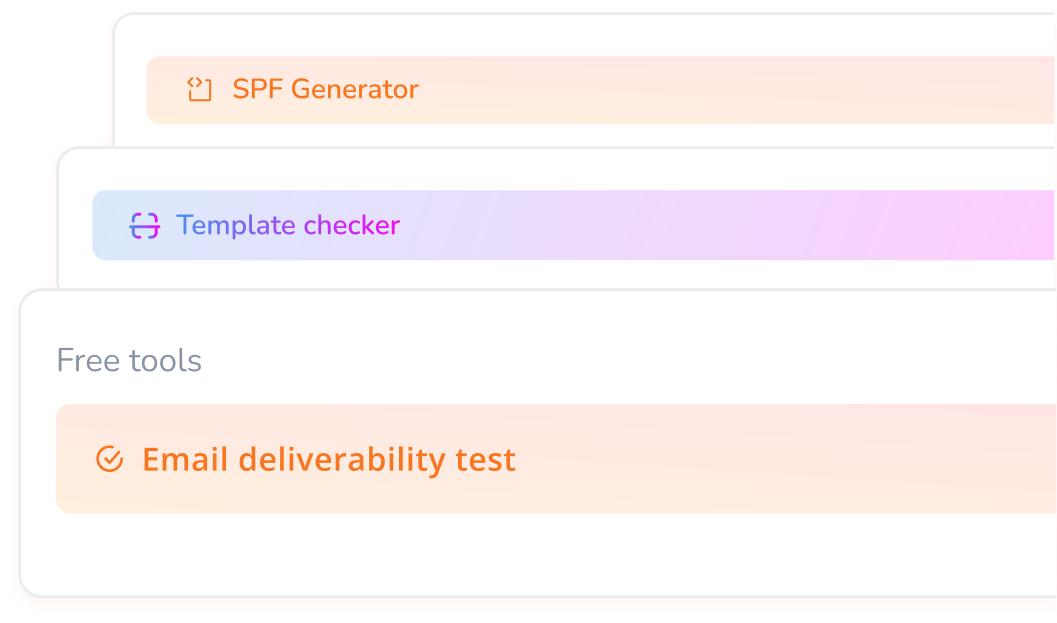
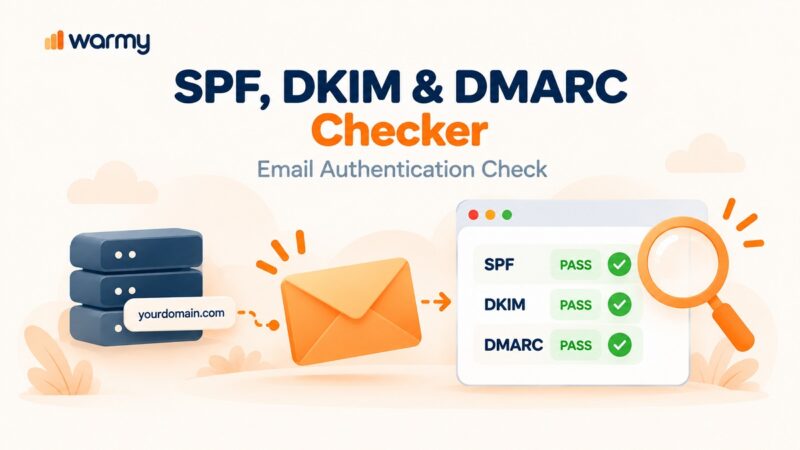
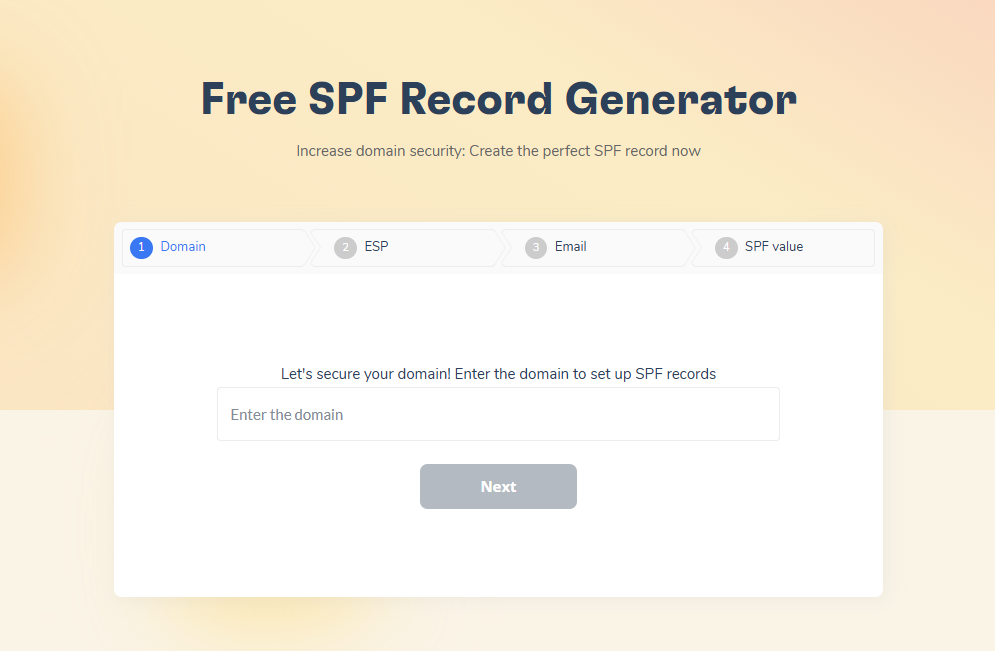
- SPF and DMARC Record Generators. Warmy.io provides tools to generate these records for free, helping you comply with email security standards and improve deliverability.
Overcome SMTP Error 553 5.1.3 and get your emails to your target inbox with Warmy.io
Addressing SMTP Error 553 5.1.3 quickly is crucial for maintaining uninterrupted email communication, crucial for today’s digital interactions. This guide has provided practical solutions for popular email platforms and highlighted the preventive benefits of email warmup services like Warmy.io.
These strategies can ensure your emails consistently reach their intended recipients. So take action now to safeguard your email delivery and keep your professional connections strong.
Ready to stop chasing SMTP errors one at a time? Book a free demo with Warmy.io and see how automated warmup keeps your sender reputation – and your inbox placement – solid for the long run.