To say that eCommerce in 2026 is growing will be an understatement. With the rapid evolution of digital technology, plus the shifts in consumer behavior, eCommerce businesses must either adapt quickly or risk falling behind.
Even for professionals and students enrolling in a top digital marketing course, understanding how advanced strategies work in real-world eCommerce is becoming essential, not optional.
Two of the most powerful tools at an eCommerce brand’s disposal are programmatic advertising and email marketing. When used individually, programmatic advertising and email marketing can already churn out great results. But when used together, these two strategies can create a seamless and personalized customer journey that can maximize conversion rates and customer lifetime value.
The role of programmatic advertising in eCommerce growth
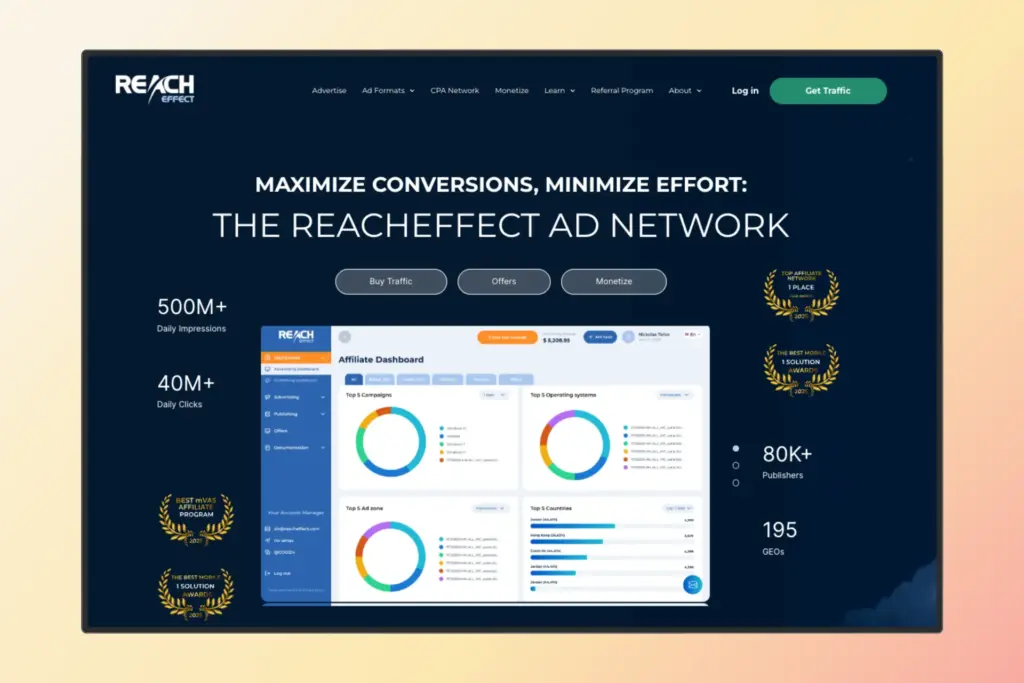
Programmatic advertising is the buying of digital ads through an automated process, using a combination of algorithms and real-time bidding systems, in order to get the best ad placement possible.
Additionally, eCommerce companies can integrate affiliate software with programmatic campaigns to monitor referral-driven traffic, optimize ad spend, and measure conversions from affiliate partners alongside their other marketing efforts.
Programmatic ads allow eCommerce companies to use large amounts of data to reach the right customer with the right message at exactly the right time. This is way more efficient and effective than traditional manual ad buys.
This data-driven precision is especially valuable for businesses selling print-on-demand products through platforms like Printify and Printful, as it enables personalized ad creatives and tailored offers based on user intent, preferences, and buying behavior—making programmatic advertising far more efficient and effective than traditional manual ad buys.
Adding a loyalty program can help reinforce these personalized offers, which is key when building a loyalty app to encourage repeat purchases a
Here’s a rundown of the benefits of using programmatic advertising for eCommerce—whether you sell seasonal products like autumn perfumes or specialized items like organic pet supplies:
- Targeted reach and efficiency. It uses real-time data like browsing history, location, and purchase intent to ensure your ads are shown to those most likely to buy your products. This means your ads have the best chance of converting.
- Cost-efficiency and ROI. On average, direct ads sell for $10-20 CPMs (cost per thousand impressions) and programmatic ads sell for $1-5 CPMs. This reduces wasted ad dollars on irrelevant audiences and automatically allocates more budget to the best-performing ad formats and placements, driving a higher Return on Ad Spend (ROAS).
- Automation contributes to operational efficiency. Since programmatic platforms automate the time-consuming tasks of ad buying and placement, this alone can free up your team to focus on creatives and high-level strategies.
With the programmatic advertising market expected to reach $235.71 billion by 2033, this is definitely a strategy eCommerce businesses will not want to overlook. If you run an eCommerce business and don’t know where to start, a good growth marketing agency can help.
The importance of email strategy for eCommerce
Despite the rise of new marketing channels, email remains one of the most effective AI tools for eCommerce marketing. In fact, according to a report from Litmus, 35% of marketers receive $10-$36 in return, 30% receive $36-$50 in return, and 5% receive more than $50 in return.
Aside from the ROI benefit, other reasons why eCommerce businesses will benefit from email marketing include:
- Enhanced personalization and segmentation at scale: eCommerce brands can use real-time behavioral data (browsing, purchase history, cart abandonment) to send highly relevant emails. This deep personalization drastically increases engagement and conversion rates. In fact, segmentation results in a 760% increase in email revenue. Integrating ecommerce AI agents takes this a step further by automatically adjusting email timing, content, and triggers based on individual customer behavior.
- Revenue generation from automated flows that cover the entire customer journey: Automated email sequences or workflows range from Welcome Flow, Cart Abandonment Flow, Post-purchase Flow, and even a Customer Winback Flow (for customers who have been inactive for some time). These campaigns capture revenue from customers at different stages of the customer journey.
- Ownership of the customer relationship: Unlike social media or paid search, your email list is an owned asset. You have a direct channel to communicate with your audience without being dependent on a third-party algorithm or advertising platform changes.
- Drives conversions for high-intent actions: Email is incredibly effective at prompting specific actions, like reminding shoppers about items they left behind or introducing them to related products post-purchase. The cart abandonment flow, for example, turns potential losses into revenue.
Email deliverability: the often overlooked factor that impacts success
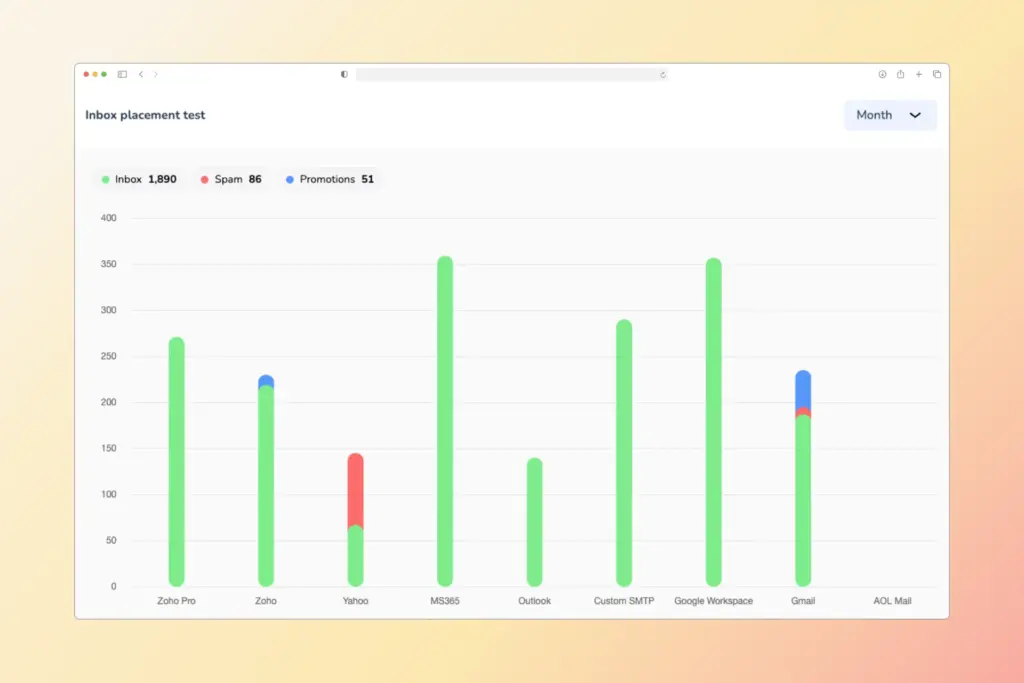
We can’t talk about the benefits of email marketing without mentioning email deliverability, which serves as the foundation for success.
Email deliverability is a key factor in the success of your email strategy. No matter how personalized your message is or how detailed your flows are, if emails don’t land in your customer’s inbox, it’s all for naught.
While there are a lot of factors that affect deliverability, a proper email warm up process is one of the most crucial. The process involves gradually increasing your sending volume to let mailbox providers recognize you as legitimate and award you with a positive sender reputation score. Having a positive sender reputation score means your emails consistently land in the inbox (and not the spam folder), which is crucial for long-term eCommerce success.
A reliable email strategy that includes a solid email warm up process, such as Warmy’s email warm up technology, ensures that your domain reputation stays intact, making it more likely that your messages will be delivered successfully.
5 ways to leverage programmatic ads and email strategies to grow your eCommerce business
1. Integrate programmatic retargeting with lead capture opportunities
Programmatic advertising excels at capturing new, highly-qualified leads and retargeting users who have already shown some interest in your products. If you’re testing new acquisition channels, it can help to compare where teams buy website traffic online to build retargeting pools and validate messaging before scaling.
By using data on past purchases, site behavior, and cart abandonment, programmatic advertising lets you serve highly relevant ads to users at the right time. This usually relies on an ecommerce checkout event flow where ‘Added to Cart’ and ‘Checkout Started’ signals feed both ad targeting and email triggers. Follow this up with personalized emails that continue the conversation and move the customer closer to conversion.
Tips:
- Implement pixel tracking: Make sure your site’s programmatic pixel is configured to track specific events like “Viewed Product,” or “Added to Cart.”
- Use ad incentives for email sign ups: Offer a specific discount code in your programmatic ad creative redeemable only after subscribing to your email list. Pair the ad incentive with a popup signup form to capture subscribers and continue the conversion journey via email.
2. Personalize email campaigns to enhance customer loyalty
Personalization in email marketing goes beyond using the recipient’s name in your subject line. Programmatic ads can provide insights into user preferences, which can then be used to inform email content. For example, if a customer browsed a specific product, an email can be sent with a personalized offer or related product recommendations.
Tips:
- Implement dynamic email content: Use programmatic insights (e.g., preferred product categories, recent browsing history) to populate dynamic blocks within your emails with relevant product recommendations. Many eCommerce teams also enrich this segmentation with competitive listing data pulled via an Amazon scraper to tailor recommendations based on pricing shifts, review trends, or availability in real time.
- Segment by ad interaction: Create specific email segments for users who clicked on a particular programmatic ad campaign, sending them follow-up content that directly relates to the initial ad message.
- Trigger behavior-based flows: Automatically enroll users into specific email sequences when the programmatic data shows they have performed an action like viewing a specific collection or product multiple times.
3. Align email & ad messaging for a cohesive customer journey
To maximize impact, ensure that your email and programmatic ad messaging is aligned. This creates a seamless, cohesive experience across all touch points.
So if a customer sees an ad for a product they’re interested in, you can follow up with an email that highlights that product and offers an incentive to buy. The alignment between ads and emails helps reinforce your brand message and increases the chances of conversion.
Tips:
- Creative consistency: Use the same images, brand color scheme, and core value proposition in the ad creative as you do in the corresponding landing page and email follow-up. Some brands have different teams working on ads and email, and it’s important to stay on top of this.
- Offer synergy: If a programmatic ad promotes a limited-time offer, ensure the email emphasizes the same offer and deadline to create urgency and a unified call-to-action (CTA).
- Suppression lists: Once a customer converts via email, immediately suppress them from seeing retargeting ads for the product they just purchased to avoid irrelevant messaging and wasted ad spend.
4. Leverage real-time data for dynamic retargeting
Both programmatic advertising and email marketing can both benefit from real-time data. Use these insights to retarget customers who have engaged with your ads or opened your emails but haven’t converted yet. Send follow-up emails with additional incentives or reminders, and retarget those users with programmatic ads to keep your brand top of mind.
To stay competitive in this fast-moving landscape, brands increasingly rely on data-driven tools, SEO expertise, and partnerships with a Shopify SEO agency to capture high-intent traffic. This includes using market research platforms, trend-tracking softwares, customer analytics dashboards, and the best product discovery tool for e-commerce to identify high-potential products before they become saturated. When combined with strong SEO, paid media, and conversion optimization strategies, these solutions allow eCommerce teams to make smarter decisions, reduce risk, and respond faster to changing consumer demand.
Tips:
- Abandoned cart synergy: Immediately send an abandoned cart email upon detection, and then use programmatic ads to show the exact abandoned products across third-party websites they visit.
- Browse abandonment triggers: For example, a user viewed three or more product pages but did not add to cart. This data can be used to trigger a personalized email offering help or showcasing related items. You can also support this with a programmatic ad reminding them of your brand.
5. Optimize campaigns with A/B testing and automation
A/B testing is essential for improving the performance of both email campaigns and programmatic ads. When you test different elements of both ads and emails, you determine what works best and what doesn’t,
Tips:
- Test value propositions: A/B test different core messages (e.g., “Free Shipping” vs. “15% Off”) in both your programmatic ad copy and your email subject lines to find the most motivating factor.
- Optimize send times: Use A/B testing within your email service provider (ESP) to determine the best delivery time, and then align your programmatic bidding strategy to peak online traffic hours.
The future of eCommerce marketing in 2026: Scaling eCommerce growth with Warmy & ReachEffect
As competition in the eCommerce space continues to grow, the need for targeted, data-driven marketing strategies will be more important than ever.
The combination of programmatic advertising and email strategy allows businesses to create personalized, seamless customer journeys that drive sales and increase customer retention.
eCommerce businesses looking to scale in 2026 must adopt both programmatic advertising and a robust email strategy. With tools like ReachEffect for programmatic advertising and Warmy for email warm-up, you can build a marketing stack that delivers measurable results.
The combination of programmatic advertising and email marketing is a powerful strategy for driving eCommerce growth. Use ReachEffect’s advertising network to target the right audience and Warmy’s email deliverability solution to ensure your emails reach their inboxes. This match will allow you to maximize your brand’s reach and engagement.
Start integrating these tools into your marketing stack today and watch your eCommerce business thrive in 2026 and beyond.