Most online stores spend years building an email list, yet rarely treat it like the asset it is. It is the only audience you actually own. Social reach fluctuates with algorithm changes, and shoppers do not visit your site often enough. Email is one of the few ways to stay consistent without asking permission each time.
Even so, email is often used as a broadcast tool. One message, sent to everyone, hoping something sticks. That approach usually results in lower-than-desired open rates, disappointing sales, and no meaningful connection with customers.
However, sending more emails does not fix that either. What makes the difference is sending the ones that feel relevant, timely, and hook the recipient’s attention so they open it. This is where most stores leave money and loyalty on the table.
In this article, we break down how you can use your email list to get more sales.
How online stores can make better use of their email lists
39% of marketers say email is very critical to their company’s success. In fact, 41% of marketing professionals consider email marketing the most effective channel, far outpacing social media and paid search, which each account for 16%.
The real impact, however, comes from how you use these lists. So here are 7 sure-shot strategies to make the best out of your email lists:
1. Build segments that reflect buying intent
Stellar email results start with better segments. Instead of grouping people only by age and location, focus on what they actually do in your store. Behavior reveals intent far better than profile data.
Plus, proper segmentation significantly improves email deliverability by increasing relevance and engagement. It signals that your emails are valuable, boosting your sender reputation and inbox placement.
Look at browsing behavior, cart activity, and past purchases. Someone who viewed the same product twice needs a different message than someone who already bought it. A customer who abandons a cart shows purchase intent, while a repeat buyer signals trust. Treating them the same weakens your email results.
You can also collect richer intent signals with lead capture forms that ask visitors about their interests, use cases, or purchase goals before they join your email list. This gives you meaningful segmentation data from the very first interaction instead of relying solely on browsing behavior.
This matters even more for creator-led and niche businesses. For example, platforms like Printify make it easy to sell custom clothing online. Because the buying journey often revolves around design preferences, product variants, and repeat styling decisions, behaviour-based segmentation helps connect each subscriber to the exact intent behind their visit, increasing the likelihood of conversion.
A popular example of well-executed segmentation that improves CX is ASOS. They track browsing patterns, items added to the cart, and returns to better understand shopping behavior and purchase intent.
2. Stop treating all subscribers like first-time buyers
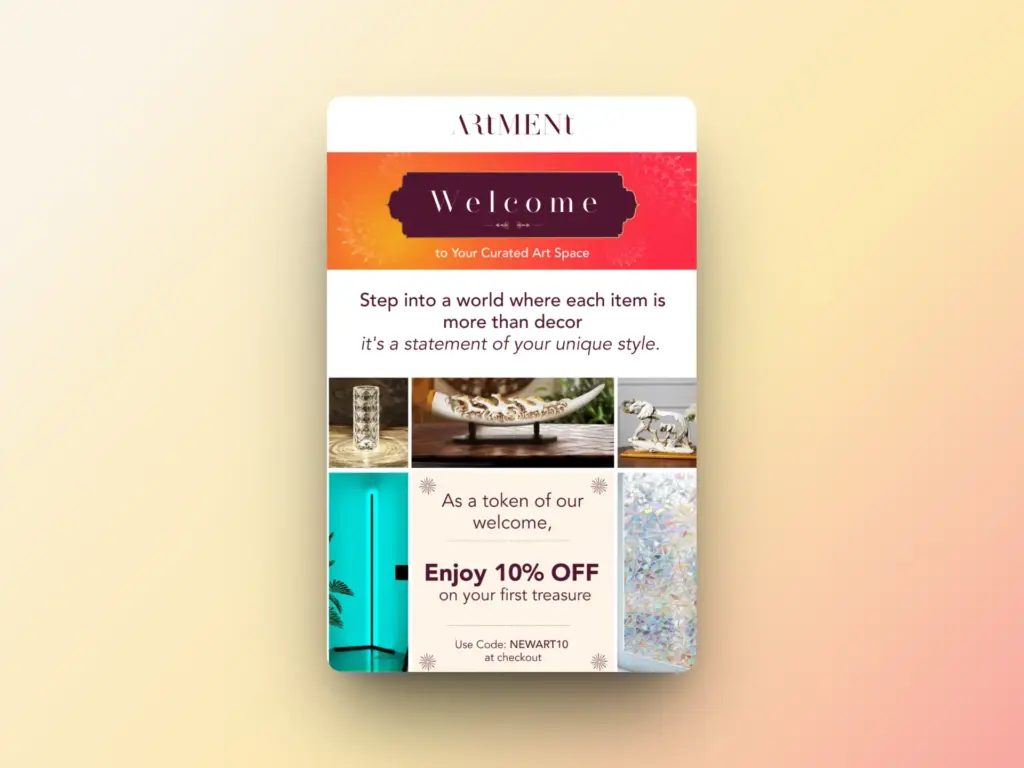
Start with a simple split in your list. One group for new subscribers who have never purchased from you, and another for customers who already have. This single change can improve email performance. New subscribers need a clear context about what you sell and why it matters. Repeat customers expect updates, recommendations, and value tied to their past purchases.
Here’s a “New Member Exclusive: Save 10%” incentive email from Artment to ensure a purchase-
On the other hand, Magic Needles sent this campaign as a reminder to loyal customers to make use of their store credit.
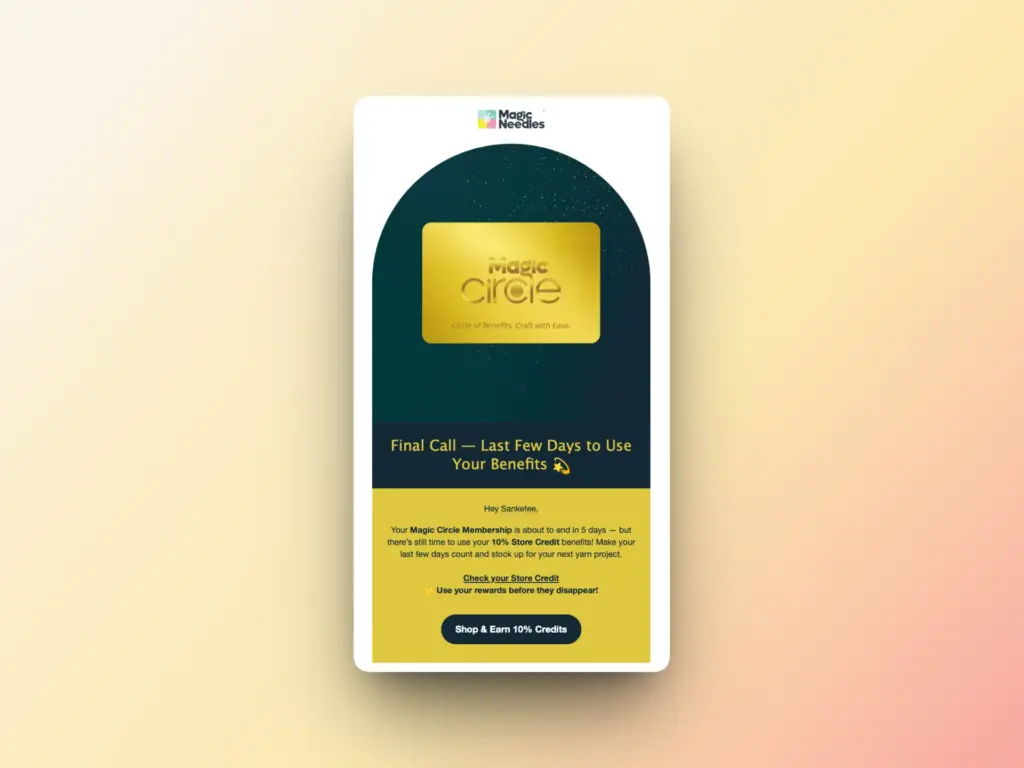
Adjust the tone and offers for each group. First-time readers are more likely to engage with educational content and low-commitment incentives, while loyal buyers tend to respond better to early-access offers, restock alerts, and personalized recommendations. Zintego.com also highlights the value of tailoring business documents and workflows to improve the overall customer experience.
Go one step further by segmenting repeat customers by purchase type or purchase date. A customer who shopped last week should not get the same message as someone who did 6 months ago.
3. Design flows around customer moments > campaigns
Design flows around customer moments instead of one-off campaigns. Map emails to real stages in the buying journey, not calendar dates.
Welcome, first-purchase, post-purchase education, replenishment reminders, and re-engagement should each have its own path. This is where programmatic email advertising becomes powerful: messages are triggered by customer behavior.
For example, businesses selling custom sweatshirts can test demand, launch new designs quickly, and validate styles without committing to a long-term email campaign. To support this high-frequency output, a product description generator can streamline the creation of unique copy for each new design.
Platforms like Printful allow them to segment early interest and trigger targeted flows—such as early access drops, limited-edition releases, or waitlist notifications—based on how customers browse, customise, or return to specific products.
Watching how people respond will help them scale their store and their email campaigns. If you are applying this strategy, consider investing in an email automation tool to focus on relevance and intent.
4. Use content to reduce buying friction
Promotions have their place, but helpful content does more of the selling than flashy offers. Emails that teach, clarify, and guide decisions reduce friction and lead to better conversions over time.
Shoppers often hesitate to buy because of unanswered questions, and email is the perfect channel to address those doubts before they turn into drop-offs.
You can also simplify product discovery and offline-to-online experiences by using tools like The QR Code Generator (TQRCG), which helps direct users instantly to product pages, guides, or special offers without friction.
Use emails to share clear FAQs, simple comparisons, tips, and real use cases. Explain how a product fits into daily life, who it works best for, and where it might not be a fit. This kind of clarity builds trust and helps people buy from you with confidence.
For example, to ensure freelancers use the platform actively, Upwork sends tips and guides that redirect readers to the platform.
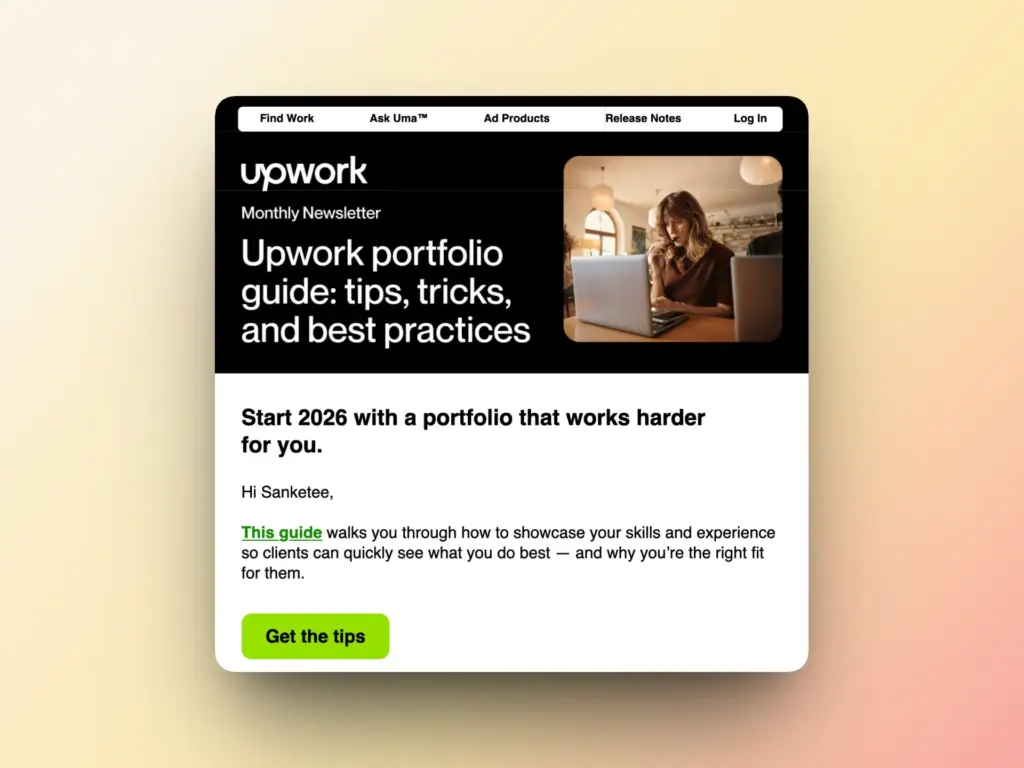
They even use catchy hooks like “here’s how to turn your portfolio into a client magnet” to increase their email open rate.
Slowly grow volume over a few weeks, and only then introduce promotions. This helps maintain a positive email reputation and prevents your campaigns from being flagged as spam.
5. Turn transactional emails into trust-building touchpoints
Transactional emails get opened more than almost any other message. Who doesn’t track their order or want a discount code? Make these count. Also, ensure you create a business email address (one that uses your domain rather than a generic provider) to reinforce credibility and improve inbox placement.
For many businesses, this also includes invoice and billing notifications, where invoice automation helps ensure accuracy, faster processing, and fewer manual errors across the accounts payable workflow.
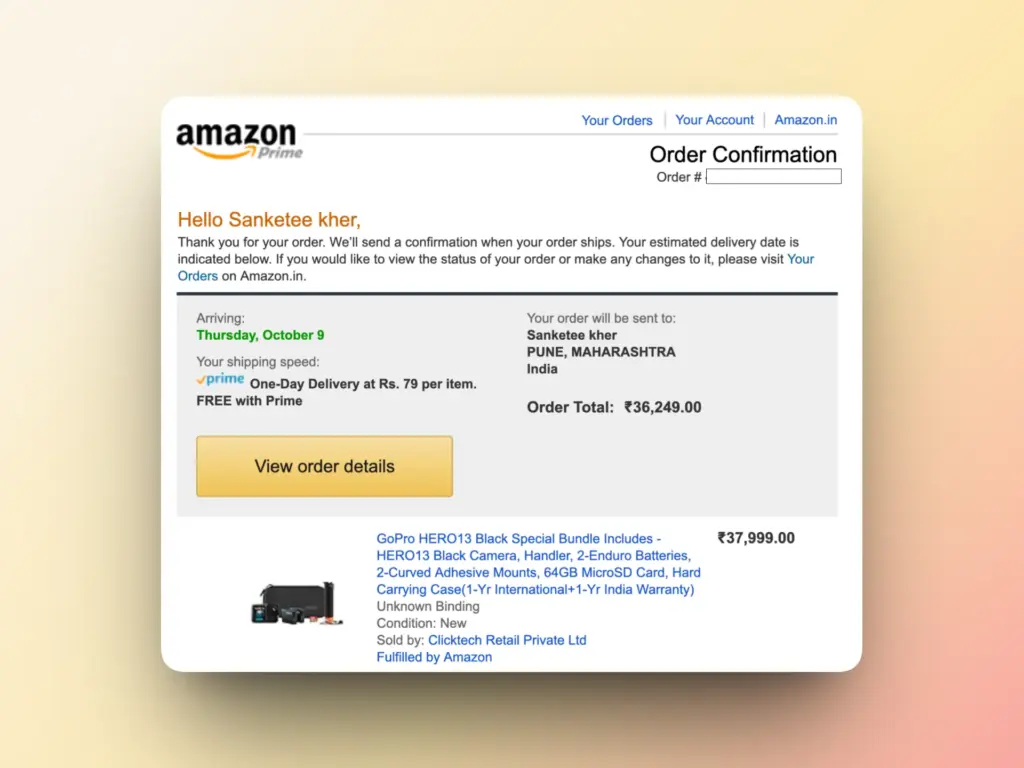
Add value without piling on offers. Share order confirmations, delivery timelines, tracking details, care tips, and what to expect next. Keep the focus on helping, not selling. When you offer a discount code or upsell recommendations, ensure they’re personalized.
Take a cue from Amazon. Their shipping updates reinforce reliability through clear timelines, tracking links, and proactive delivery updates.
Also, create a simple brand guide for your team to follow, so they can send consistent emails that show reliability and brand recognition.
6. Re-engage inactive subscribers
Acknowledge the customer’s silence instead of pretending nothing happened. A simple check-in feels more human than jumping straight into a sales pitch. It shows you notice your audience.
Test low-pressure emails before offering discounts. Ask if they still want to hear from you, share a useful update, highlight the new launches since they last engaged, or simply encourage them to get back on the platform.
For instance, Duolingo sends campaigns to inactive subscribers with warm subject lines like “Don’t give up on learning French! 💔” and simple CTAs-
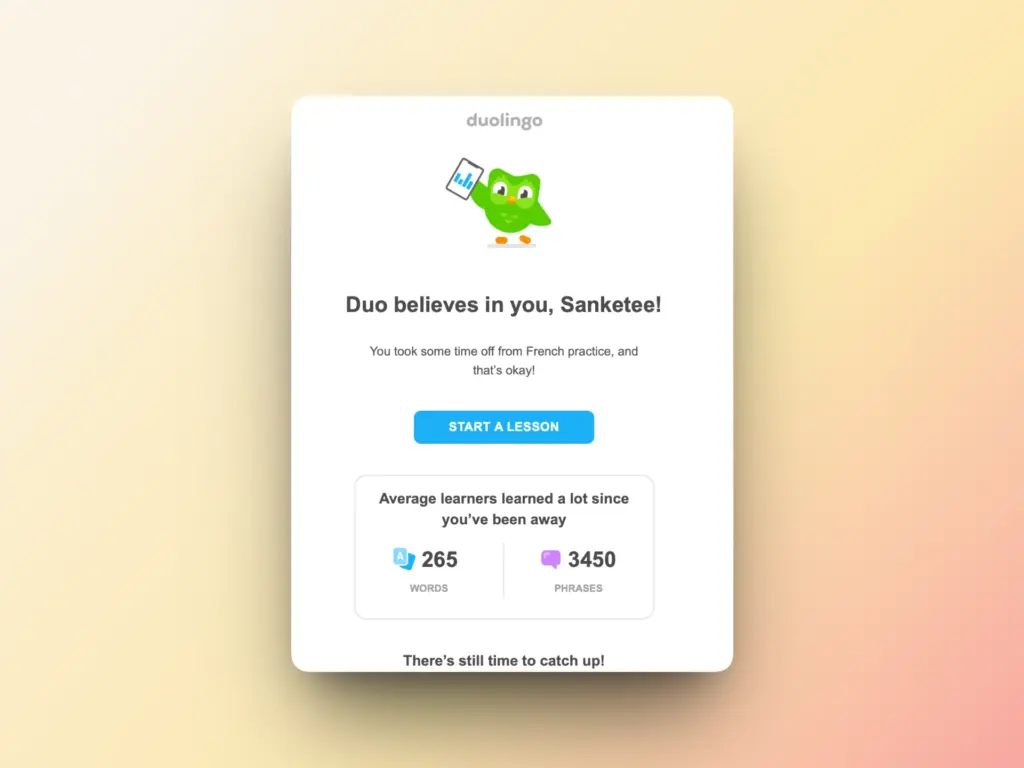
Remember to use a clear time window to define inactivity so your re-engagement feels intentional. Someone inactive for 30 days needs a different message than someone who went silent for 6 months.
Send re-engagement emails less frequently. 1 or 2 well-spaced messages perform better than a short burst. It may make you seem pushy.
Avoid guilt-tripping or desperation in your pitch. Let subscribers choose. Offer a simple option to stay on the list, switch to fewer emails, or opt out completely. Choice builds trust and reduces spam complaints.
If someone still does not respond, let them go gracefully. Removing inactive subscribers helps you avoid deliverability issues during Black Friday and other peak periods. It keeps your list healthy and intentional.
7. Measure success beyond opens and clicks
Opens and clicks show activity, not impact. Consider revenue per subscriber and customer lifetime value to understand what email actually contributes to the business. These numbers tell you which segments and messages drive profitable outcomes.
Pay attention to retention, repeat purchases, and time to next order. If emails shorten the gap between purchases or bring customers back more often, they are doing their job.
Do not stop at report numbers. Use these insights to adjust timing, content, and offers so each flow gets smarter over time. This is where agentic commerce platforms can help brands move faster by automating personalised recommendations, repeat orders, and cart recovery from customer behaviour signals.
According to a 2025 study, these are the email open rates segregated by industry-
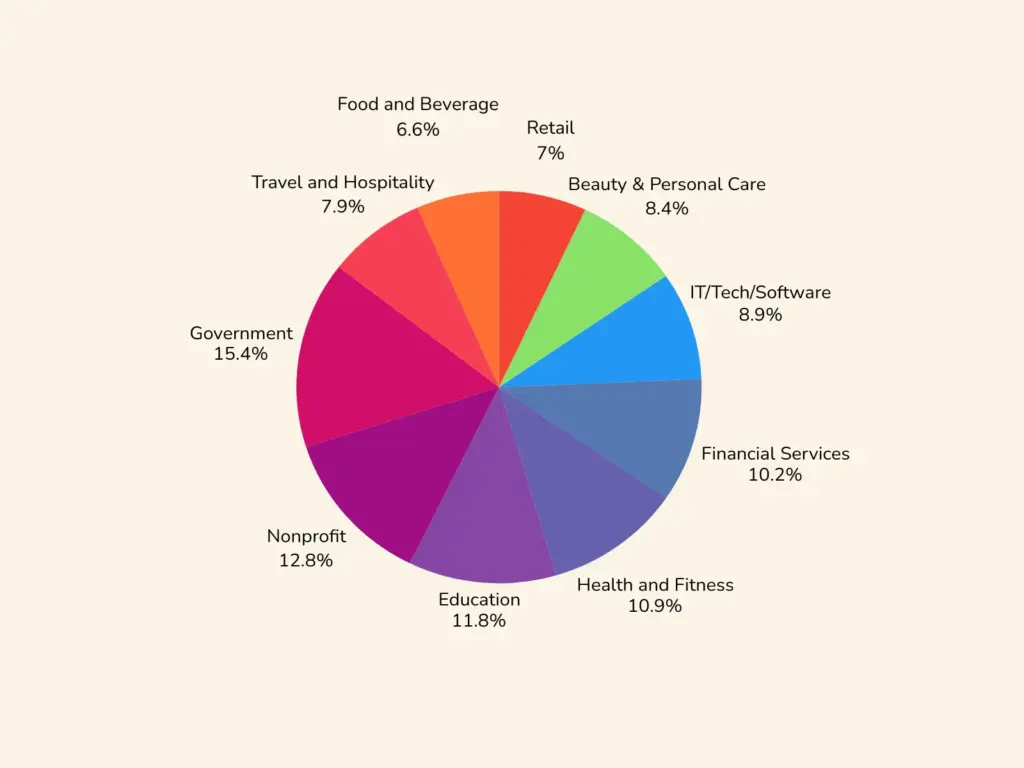
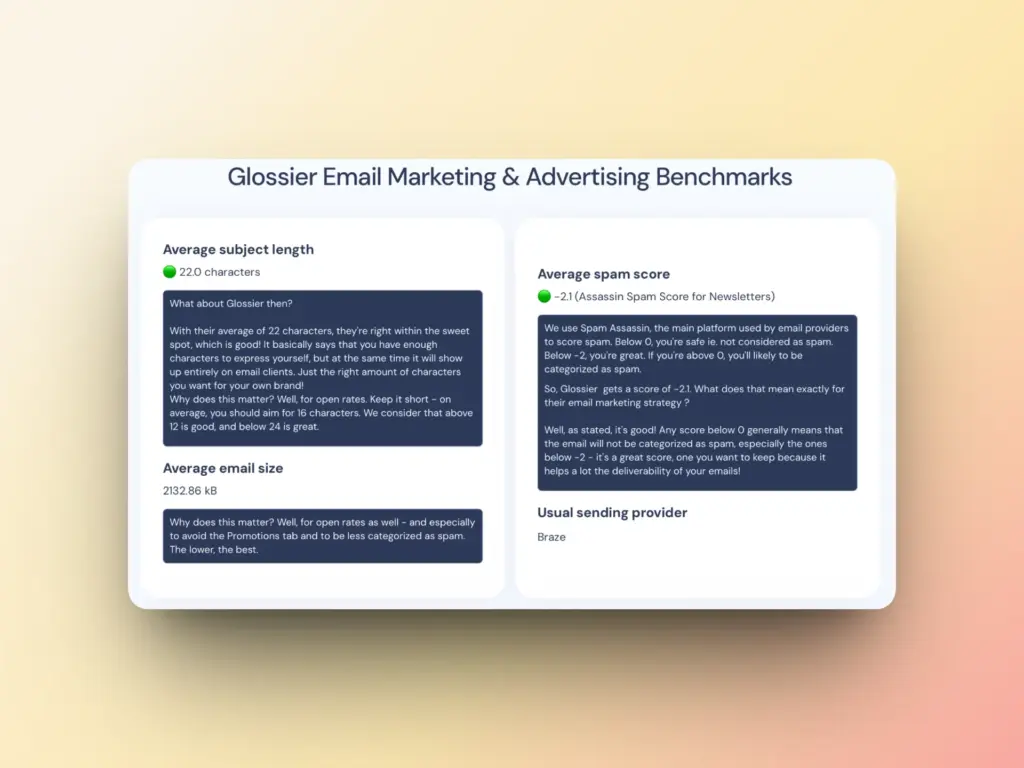
Even with an industry average of 8.4%, brands like Glossier, Clinique, and Estee Lauder managed to get near perfect inbox rates, showing their campaigns were extremely successful. Plus, their newsletters enjoy a spam score of -2.1, indicating they’re doing a phenomenal job with their email.
Maximize your email list by prioritizing deliverability
Now, it’s time for some real talk.
You can build the most strategic segments, craft perfectly timed flows, and write content that drives conversions. But none of it matters if your emails don’t reach the inbox in the first place.
Email deliverability is the foundation that makes every other email strategy work. When your messages land in spam, all the effort you put into personalization, automation, and re-engagement gets wasted. Your open rates fall, your sender reputation suffers, and you lose the direct line to customers you worked so hard to build.
However, most online stores don’t realize they have a deliverability problem until it’s too late. They see declining open rates and assume their content is the issue when the real problem is that their emails aren’t being seen at all.
Spam filters have become more sophisticated, and inbox providers are stricter than ever about what gets through.
This is where email warmup and deliverability monitoring become essential.
Warmy.io helps businesses maintain and improve their email deliverability through automated warmup processes and real-time monitoring. Instead of sending cold emails from a new domain or after periods of inactivity (which immediately triggers spam filters), Warmy gradually builds your sender reputation by simulating natural email interactions.
Here are just a few examples of how Warmy does this:
- Automated email warmup: Warmy sends emails from your address to real accounts which open your emails, reply, retrieves emails that land in spam, and mark your messages as important. These interactions signal to inbox providers that your emails are relevant and that you’re a trustworthy sender. This improves your sender score which will improve inbox placement.
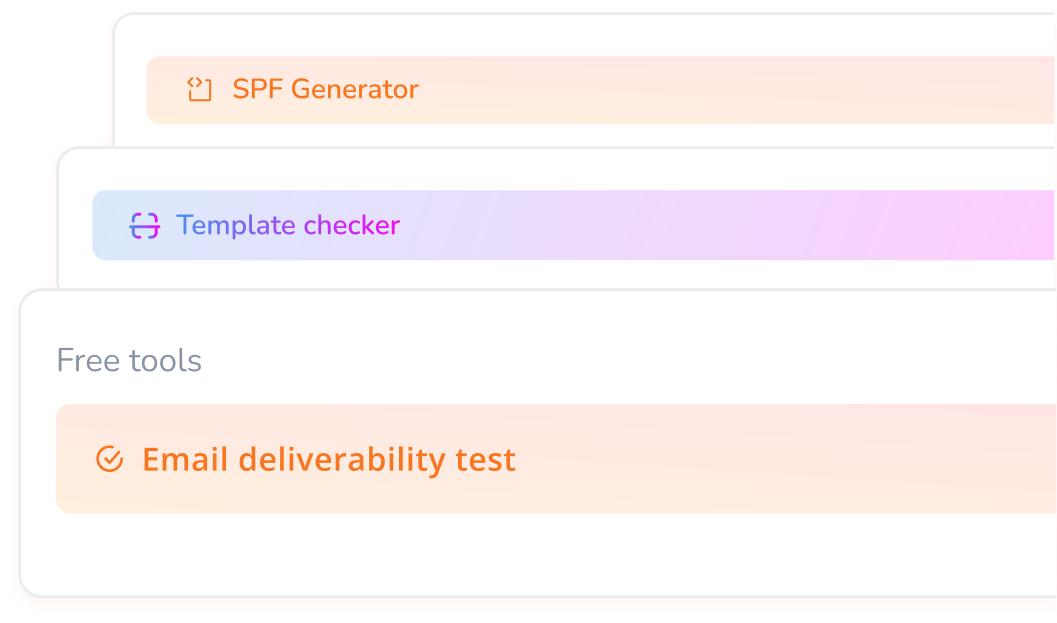
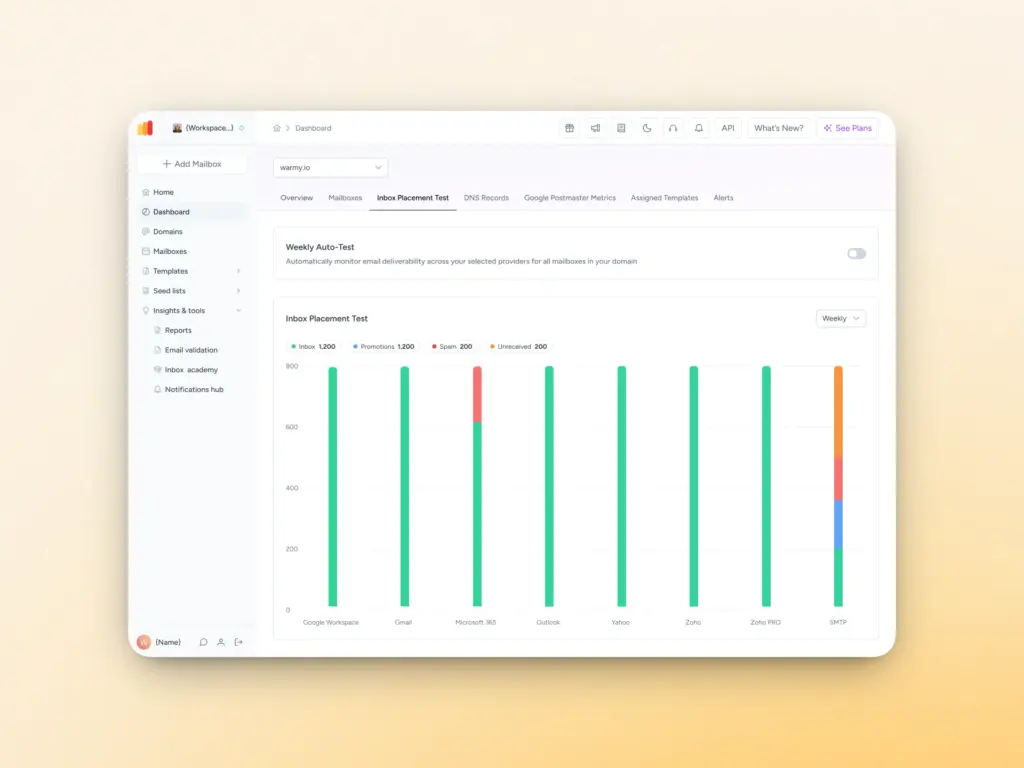
- Deliverability testing: Before you launch a major campaign or promotional flow, Warmy shows you where your emails actually land: inbox, spam, or promotions tab. You can test across Gmail, Outlook, Yahoo, and other major providers to catch issues before they hurt your results. There’s also a free version of the test available here.
- Domain health monitoring: Track your domain reputation, blacklist status, DNS records, and authentication setup (SPF, DKIM, DMARC) in one place. If something goes wrong with your technical setup, you’ll know immediately instead of discovering it through lost sales.
For online stores running multiple automated flows (welcome series, cart abandonment, post-purchase, re-engagement), maintaining consistent deliverability across all campaigns is critical. One spam complaint or blacklist hit can affect your entire email program, not just a single campaign.
The truth is, you can’t afford to ignore deliverability. It doesn’t matter how compelling your 20% OFF offer is or how perfectly timed your abandoned cart email is if it’s sitting in a spam folder your customer never checks.
Treat deliverability as part of your email marketing strategy, not an afterthought:
- Warm up new sending domains before launching campaigns.
- Monitor your inbox rates regularly.
- Fix technical issues as soon as they appear.
- Use tools that help you stay proactive instead of reactive.
When your emails consistently reach the inbox, every other strategy in this article works better. Your segments convert higher, your flows drive more revenue, and your email list becomes the reliable growth channel it should be.
Turn your email list into a revenue driver
Use your email list as a valuable asset for your online store because:
- Better results do not come from sending more emails. They come from sending smarter ones.
- Segmentation, behavior-based flows, helpful content, and thoughtful re-engagement all work together to build trust and increase revenue over time.
- Focus on relevance, timing, and intent, and your email list will start doing far more than just filling customer inboxes.
Your email list is a direct line to people who have already shown interest in your brand. When you treat it like a long-term capital instead of a broadcast list, email will become one of your most reliable growth drivers.
Start by discovering where your emails are landing. Take your free deliverability test today.