If you’ve ever done email outreach, you probably know that it works only when messages reach real inboxes. When emails land in spam or promotions folders, replies drop, and outreach goals gradually fall apart.
For teams working with OKRs, email deliverability is not a mere technical detail. It directly affects targets like response rates, meetings booked, and qualified conversations started.
Most deliverability problems come from small issues adding up over time. Sender reputation, domain setup, list quality, and how people react to your emails all matter more than many teams expect.
An OKR-driven approach can help bring structure to this chaos. It turns deliverability into something measurable, reviewable, and easier to improve with each outreach cycle.
In this post, we’ll look at ten tools that are highly capable of helping teams track progress, fix issues early, and stay focused on outcomes that actually matter. We’ll also consider how to make improvements in this regard.
But first, let’s learn how content quality affects email deliverability.
Why email content matters for deliverability
Even if the technical side is perfect (think domain setup, SPF, DKIM, DMARC, and warmed-up inboxes), emails can still land in the promotions or spam folders if the content doesn’t engage or feels phoney.
Email providers watch how recipients interact: do they open it, scroll, reply, or mark it as spam? These indicators feed back into your sender reputation.
For teams trying to hit outreach goals, this is where strategy meets execution. Well-structured, human-like content gets noticed, related to, and acted on. This is where using a proven AI humanizer tool can work.
It can help improve AI readability to create emails that feel natural to readers while staying professional. The goal isn’t to trick anyone, but to write emails that feel like they came from a person, not a machine, which improves engagement and overall deliverability.
10 tools that enhance email deliverability in OKR-driven outreach
Without further ado, here are some amazing tools to get the job done.
1. Warmy.io
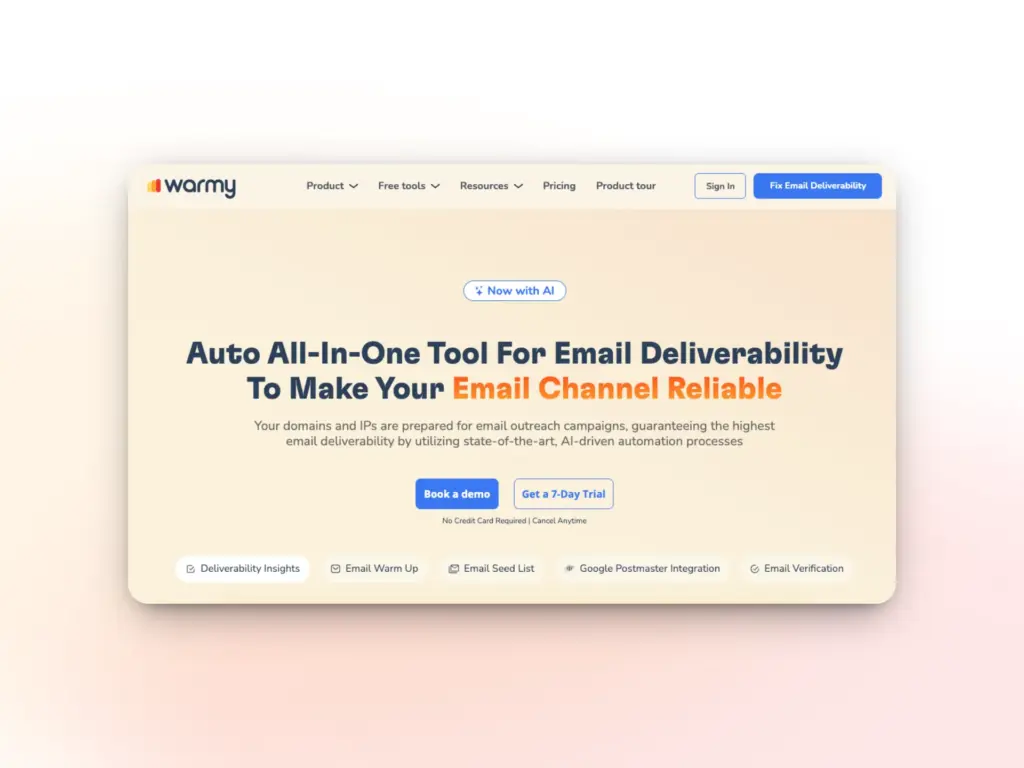
Best for: Boosting overall sender reputation and inbox placement with AI-driven warmup that can be customized according to language, topic, engagement pattern, and ESP.
Warmy.io is a specialized deliverability platform that uses an AI engine called ‘Adeline’ to manage your sender reputation. It focuses on establishing you as a trusted sender to providers like Gmail and Outlook. It does this by automatically and gradually ramping up sending volume to a network of genuine email addresses that produce interactions like opening your emails, reading, and even recovering them from spam and marking as important. These interaction signals show email providers that you are a legitimate sender who sends relevant content.
Key benefits:
- Its AI algorithm adjusts the sending schedule based on your mailbox age and activity.
- It automatically archives warmup threads so your actual inbox stays clean and organized.
- The platform includes a template checker to flag spam triggers before you launch a campaign.
- Warmy can handle up to 10,000+ warmup emails per day per mailbox, which is the most in the industry.
- Warmy supports over 30 different languages, making it useful for teams who want to improve global email deliverabilit.
- Domain health score and other metrics can be tracked in real-time with the Domain Health Hub and email deliverability test.
The email deliverability test also shows where your emails are landing across multiple providers, if your authentication protocols are all valid, and if you’re located in any blacklists. Try the free version now.
2. OKRs Tool
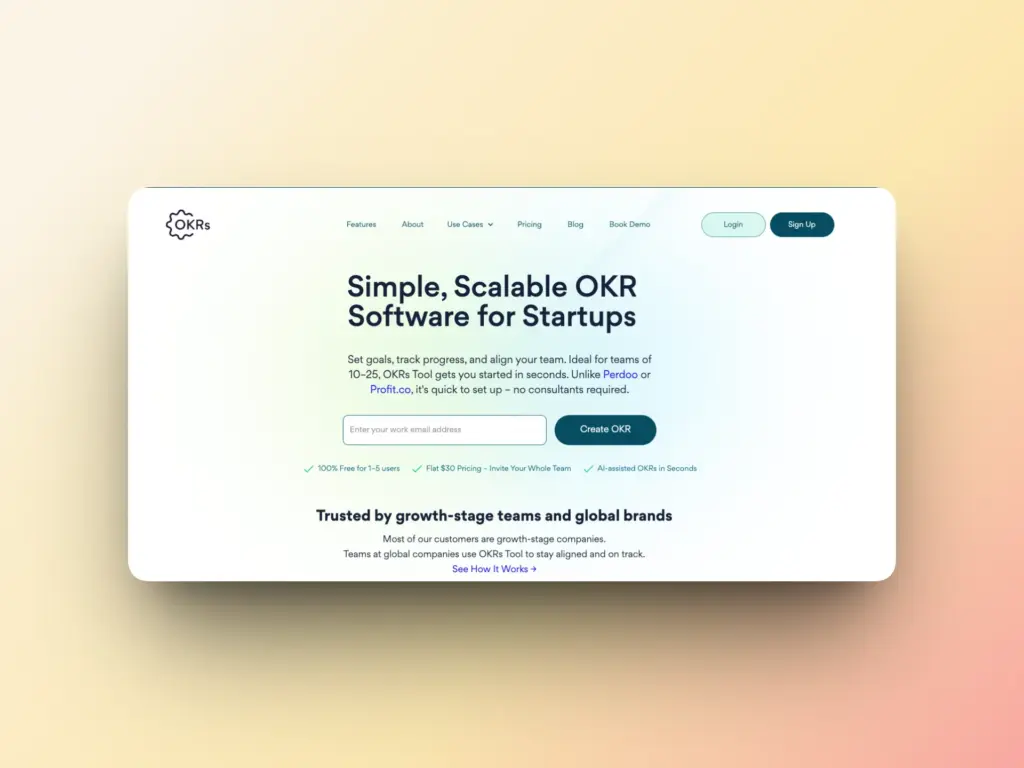
Best for: Planning your outreach goals and tracking team performance, along with real-time visibility, faster decision-making, better cross-team coordination, and goals that stay connected as your company grows.
OKRs Tool helps you organize your big objectives into small, manageable steps. When you use it for outreach, you can set specific targets for deliverability. For example, you might set a goal to keep your bounce rate under one percent.
The tool allows every team member to see the same data in real time. This keeps everyone focused on the same outcome instead of working in silos. It is built to make sure your daily tasks actually lead to your long-term goals.
Key benefits:
- It aligns your email metrics with your actual business revenue goals.
- The dashboard makes it easy to see if you are falling behind on your targets.
- It helps team members stay accountable for their specific parts of the outreach process.
3. Smartlead.ai
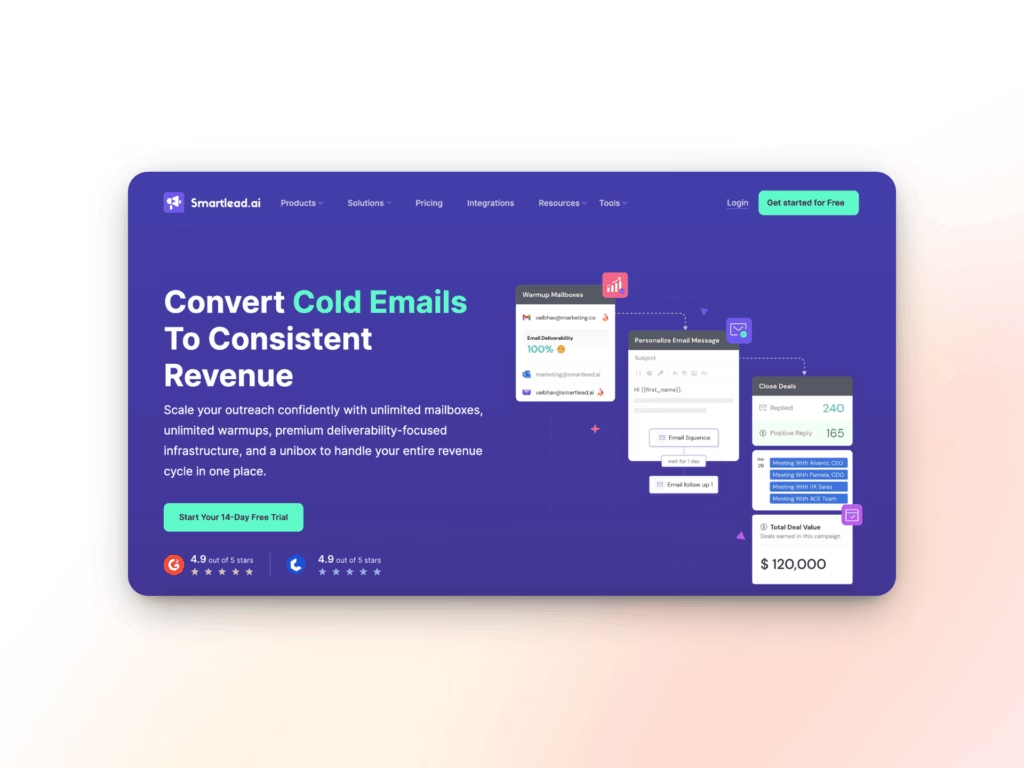
Best for: Sending emails from many different accounts at the same time.
If you send too many emails from one address, you will get marked as spam. Smartlead solves this by letting you connect dozens of different email accounts. It then rotates these accounts so that no single one sends too many messages. This mimics how a real person would send emails throughout the day.
The tool also handles the technical setup for each new mailbox you add. This saves you a lot of time and prevents technical errors that hurt your reputation. It is a solid choice for teams that need to scale their outreach quickly.
Key benefits:
- You can manage replies from all your different accounts in one single place.
- The automated rotation keeps your sender reputation safe from being flagged.
- It scales your volume without increasing the risk of landing in the spam folder.
4. GlockApps

Best for: Testing your email content before you send it to prospects.
You might think your email looks fine, but filters might see it differently. GlockApps lets you send a test version of your email to a list of seed addresses.
It then tells you exactly which providers blocked you or put you in the promotions tab. This gives you a chance to fix issues before you burn your reputation on a real list.
It also checks your technical records, like SPF and DKIM, to ensure they are correct. If something is wrong with your server, this tool will find it for you.
Key benefits:
- It provides a detailed report on which email providers are blocking your messages.
- You get alerts if your domain ends up on a common blacklist.
- The content editor flags specific words that might trigger a spam filter.
5. ZeroBounce
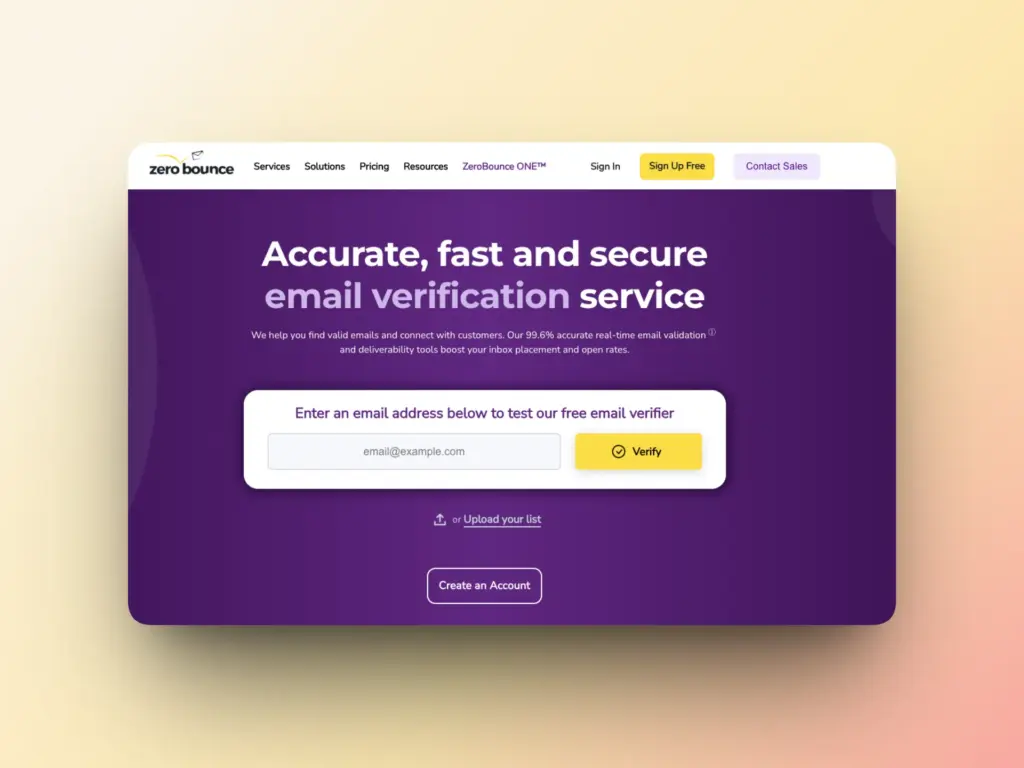
Best for: Cleaning your lead lists so you do not message dead accounts.
Sending emails to addresses that do not exist is a fast way to get blocked. ZeroBounce checks your list to see which emails are valid and which are risky. It removes things like “catch-all” addresses and known spam traps that hurt your standing.
The process is very fast and prevents you from wasting your daily sending limit on bad data. Keeping a clean list is the most basic step in any deliverability strategy. If your bounce rate is too high, your service provider might even shut down your account.
Key benefits:
- It identifies and removes emails that will definitely bounce and hurt your reputation.
- The tool can find the gender and name associated with an email address.
- It prevents you from being flagged by providers for sending to inactive mailboxes.
6. Mailreach
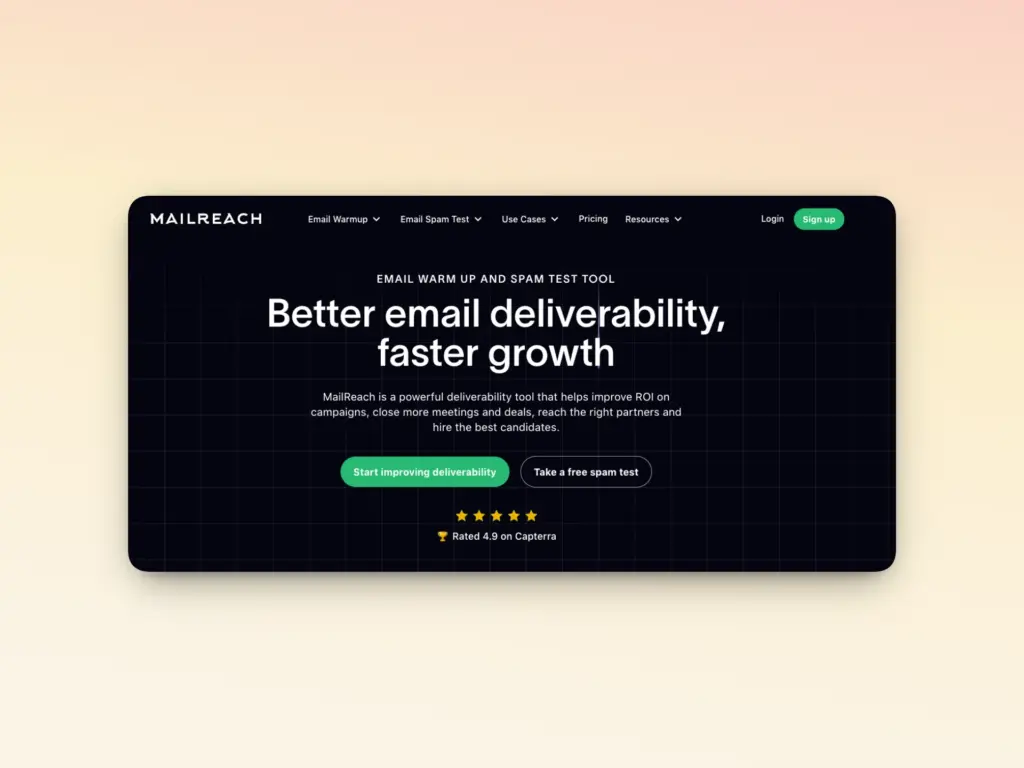
Best for: Testing if your emails land in spam
Mailreach offers basic automated email warmup across their network of 30,000+ mailboxes.
Key benefits:
- It builds a positive sending history for your domain using a network of real accounts.
Its free spam test is well-known and often used as a surface-level health check.
It also goes over SPF and DKIM status checks.
7. Apollo.io

Best for: Finding new leads and building your initial outreach sequences.
This tool is a huge database of business professionals across almost every industry. You can filter people by their job title, company size, or the software they use. Once you find your leads, you can put them directly into an automated email sequence.
It has built-in verification, so you know the emails you find are actually real. This reduces the friction between finding a lead and actually starting the conversation. It is a very popular choice for sales teams that need to find and contact leads in one place.
Key benefits:
- You get access to millions of verified professional email addresses and phone numbers.
- The sequence builder allows you to automate follow up emails based on prospect behavior.
- It integrates directly with some of the most popular CRM platforms to keep your data synced.
8. Lemwarm
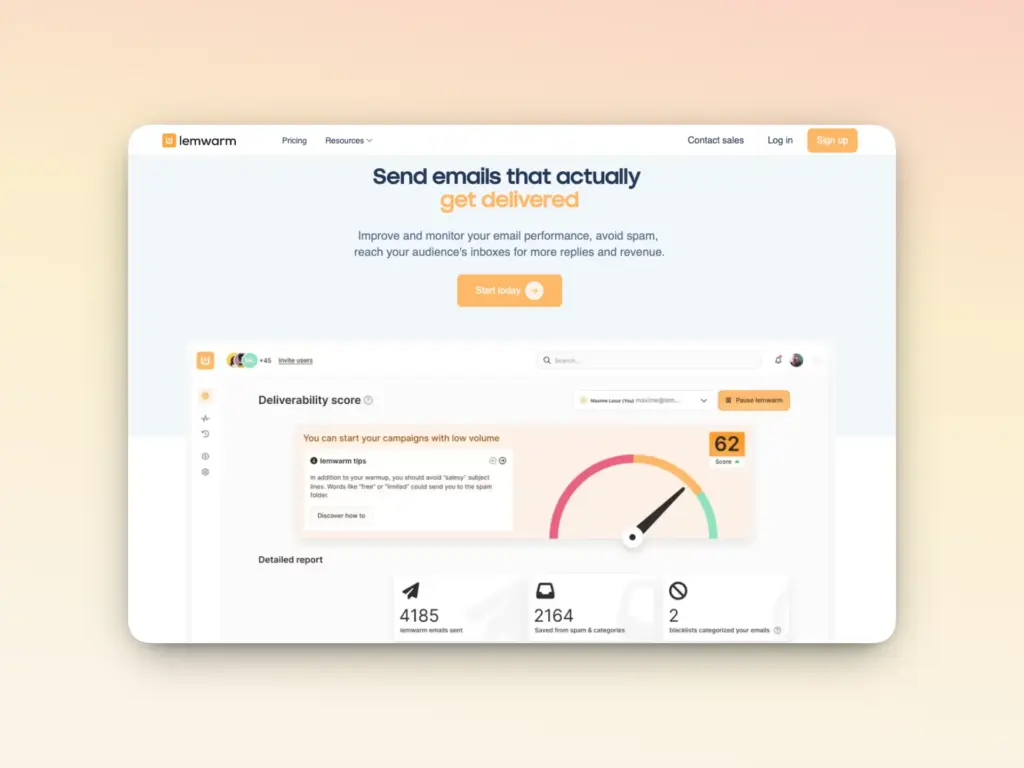
Best for: Monitoring deliverability within the Lemlist ecosystem
Lemwarm is part of the Lemlist ecosystem, but you can use it on its own. It uses a unique algorithm to send emails with the objective of keeping your deliverability high while you are actively sending campaigns.
Key benefits:
- The setup process is very simple and only takes a few minutes to start.
- It adapts to your sending volume to ensure your warmup stays natural.
Initial setup includes adjusting important settings like SPF, DKIM, DMARC, MX Records, and Custom Tracking Domain
9. MxToolbox
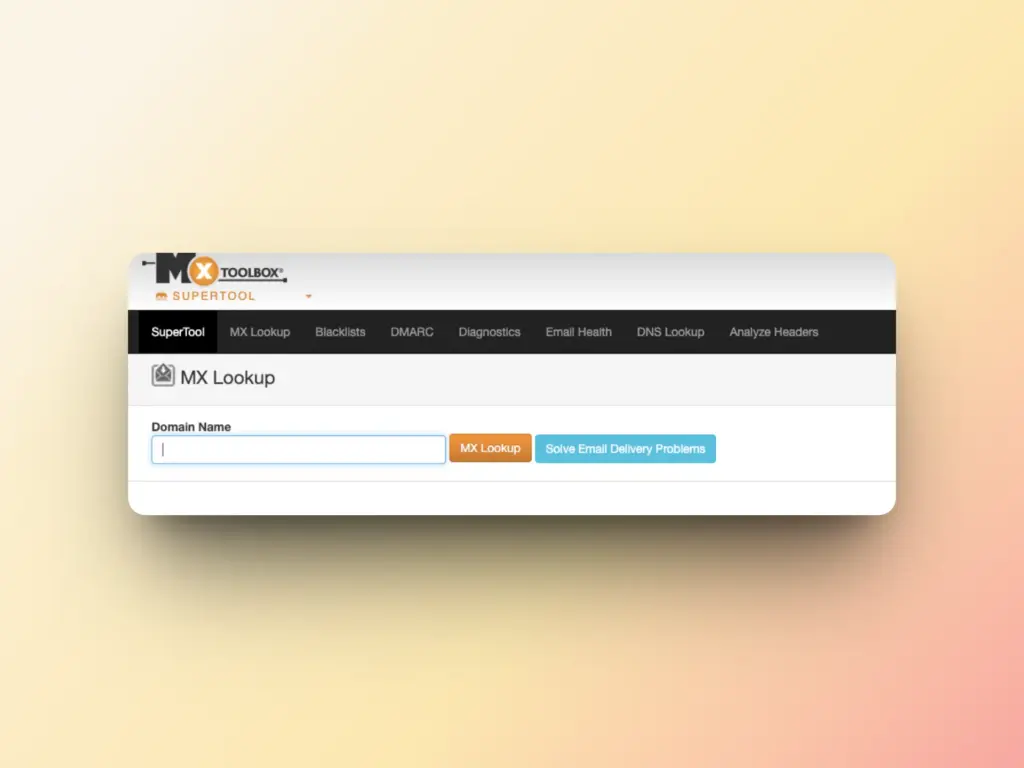
Best for: Checking the technical health of your domain and mail server.
This is a more technical tool that helps you diagnose deep infrastructure problems. It allows you to look up your IP address and see if it has been blacklisted. You can also use it to check if your DNS records are configured properly for email.
If your emails are suddenly failing, this is the first place you should go for answers. It provides very specific technical data that helps you talk to your IT team. While it looks a bit old school, it is highly reliable for technical audits.
Key benefits:
- You can run a comprehensive health check on your entire domain and mail setup.
- It monitors blacklists in real time and sends you an email if you appear on one.
- The tool explains technical errors in a way that is easier for humans to understand.
10. Instantly.ai

Best for: Managing a large number of sending accounts at a low cost.
Instantly is designed for people who want to send a lot of cold emails. It offers a flat rate for connecting as many email accounts as you want. This is great for teams that follow the strategy of using many different domains.
It has its own warm-up tool included in the price, which makes it a good value. The interface is very clean and does not have a lot of unnecessary features. It focuses on the core tasks of sending emails and tracking who opens them.
Key benefits:
- You can connect an unlimited number of accounts without paying extra fees.
- The platform includes a built-in warm-up feature for every new account.
- It is very easy to set up and start your first campaign within an hour.
Practical ways to improve deliverability
Tools are useful, but they’re only part of the picture. A lot of deliverability comes down to simple habits that get overlooked.
- Start with the list: dead addresses, typos, or old emails drag your metrics down. Using a tool can certainly help, but it’s also about checking regularly, not just once a quarter.
Then, there’s warming up new accounts. Sending hundreds of emails on day one is a fast track to spam. Instead, go slow but be steady. A time-tested tool can handle this in the background, but it’s still about pacing.
Check the technical side too. SPF, DKIM, and DMARC are small things, but if they’re off, they can tank deliverability. Use the right tools to gauge whether something’s wrong before campaigns go live.
Finally, pay attention to how people interact with your emails. Low opens or replies signal problems, even if the tech is perfect. This is where writing that actually reads like a person matters. Tools that can humanize AI-generated text can help craft messages that feel natural, which makes people more likely to engage.
Equip yourself with these tools today
Getting emails into inboxes requires preparation, monitoring, and thoughtful writing. With the right deliverability tools, teams can see real and measurable improvements.
The key is maintaining consistency by keeping lists tidy, warming accounts gradually, fixing technical issues early, and writing emails that people actually want to read. When deliverability is treated as part of the process, rather than an afterthought, it stops being stressful and starts producing real results.
As the small changes add up, outreach becomes more about predictable outcomes than just luck. Gradually, meeting outreach goals starts to feel like a natural and manageable part of the workflow.
Take the first step. Take your free deliverability test today and see your current deliverability status.