

SMTP Error 471 is a temporary server rejection that occurs when the remote mail server refuses to deliver your message. It typically points to a transient issue such as server overload, incorrect SMTP configuration, a blacklisted IP address, or resource limits. Every failed send is a missed connection and potential revenue lost, so resolving it quickly matters. Here is what causes SMTP Error 471 and exactly how to fix it.
What Is SMTP Email Error 471
SMTP Email Error 471 typically appears during the email sending process in your email client or server log. The error message usually reads:
471 An error occurred during sending; the mail server will close the connection
471 Temporary local problem – please try later.
This tells you the email was not delivered and that something is preventing the SMTP transaction from completing.
Error 471 specifically signals a transient issue within the server or network. Unlike 5xx permanent failures, a 4xx error means the problem may be temporary. That said, it still disrupts communication and needs immediate attention, because left unresolved it will block every message you attempt to send until the underlying cause is fixed.
Understanding that Error 471 signals a hiccup in the usual flow of SMTP transactions is the first step in troubleshooting and restoring normal email functionality.
What Causes SMTP Error 471? (5 Root Causes)
Several factors can trigger SMTP Email Error 471. Identifying the correct root cause is essential before applying a fix, since each cause requires a different resolution.
Server Overload. One of the most common causes of SMTP Email Error 471 is an overloaded mail server. When the server receives too many simultaneous requests, it temporarily cannot handle outbound email. This is especially common in shared hosting environments where multiple users compete for the same resources.
Incorrect SMTP Configuration Settings. Wrong server names, incorrect port numbers, or invalid authentication credentials will cause the server to reject the connection attempt. A single misconfigured field is enough to produce Error 471.
Email Server Reputation Issues. If your sending server’s IP address has been reported or listed on a spam blacklist, ISPs and email providers will temporarily refuse your messages to protect their networks. This is one of the harder causes to diagnose without proper monitoring tools.
Server Maintenance or Technical Issues. Scheduled or unscheduled server maintenance can temporarily stop the server from handling email queries normally. During these windows, Error 471 is expected and will usually resolve once maintenance ends.
Resource Limitations. Hosting providers often impose caps on the number of emails sent per hour, or bandwidth limits that, once reached, trigger a temporary refusal until resources are freed up again.
How to Fix SMTP Error 471: Gmail, Outlook & Yahoo
The fix depends on which email provider you are using. Follow the steps for your platform below.
Fix SMTP Error 471 in Gmail
1. Check Your SMTP Server Settings.
Use the following Gmail SMTP configuration:
| Setting | Value |
|---|---|
| SMTP Server | smtp.gmail.com |
| Port (TLS) | 587 |
| Port (SSL) | 465 |
| Authentication | Required |
| Encryption | TLS (port 587) or SSL (port 465) |
2. Use an App Password (Required as of May 2025).
Google permanently removed the ‘Less Secure Apps’ setting in May 2025. Your regular Gmail password will no longer work with third-party SMTP clients. You must generate an App Password instead:
- Enable 2-Step Verification on your Google Account at myaccount.google.com.
- Go to myaccount.google.com/apppasswords.
- Select your app type, generate a 16-character password, and copy it.
- Enter this App Password as your SMTP password in place of your regular Gmail password.
3. Verify Your Credentials. Confirm your username (full Gmail address) and that your 2-Step Verification is active before generating the App Password.
Fix SMTP Error 471 in Outlook
Use the following Outlook SMTP settings:
| Setting | Value |
|---|---|
| SMTP Server (personal Outlook.com) | smtp-mail.outlook.com |
| SMTP Server (Microsoft 365 Business) | smtp.office365.com |
| Port | 587 (STARTTLS) |
| Authentication | Required |
- Check Your Authentication Settings. In Account Settings, confirm that ‘My outgoing server (SMTP) requires authentication’ is checked.
- Use an App Password if 2FA Is Enabled. If two-factor authentication is active on your Microsoft account, generate an app-specific password at account.live.com under Security settings, and use it as your SMTP password.
- Use the Repair Option. In Outlook’s Account Settings under the Email tab, select ‘Repair’ on your account to automatically detect and fix server setting errors.
Fix SMTP Error 471 in Yahoo
Use the following Yahoo SMTP configuration:
| Setting | Value |
|---|---|
| SMTP Server | smtp.mail.yahoo.com |
| Port (SSL) | 465 |
| Port (TLS) | 587 |
| Authentication | Required |
1. Use a Yahoo App Password. Yahoo requires an App Password for third-party email clients when two-step verification is enabled. Your regular Yahoo password will be rejected. To generate one:
- Sign in to Yahoo Mail from a browser.
- Open Account Security settings and enable two-step verification.
- Find the App Password option and generate a new password.
- Use this App Password as your SMTP password in your email client.
2. Verify Authentication Is Configured. Confirm that your login credentials and SMTP authentication are enabled in your client settings.
General Troubleshooting Steps for Any Email Provider
Restart Your Email Client. Temporary connectivity issues often resolve with a simple restart of your email client or device.
Update Your Email Client. An outdated email client can introduce bugs that trigger SMTP errors. Keep your client up to date.
Contact Your ISP or Hosting Provider. If the issue originates from your internet service provider or hosting service, they can confirm whether a known issue is affecting email services.
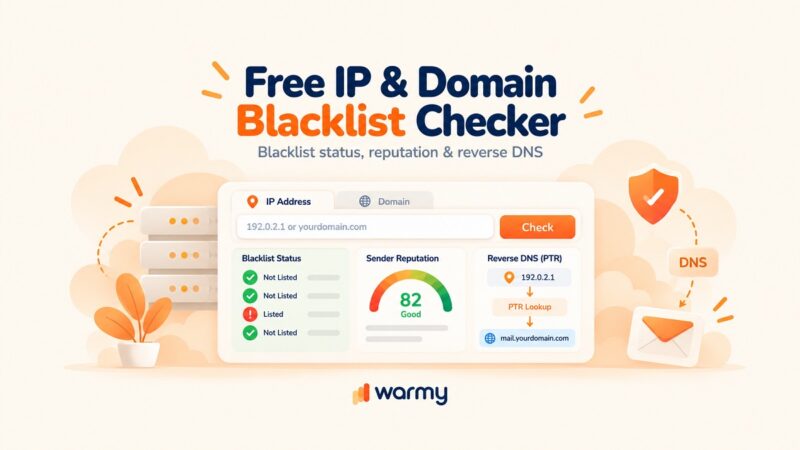
Check for Blacklists. If your server IP is listed on a spam blacklist, you will need to request removal. Use a multi-RBL checker to identify which lists you are on, then follow each provider’s delisting process.
Pro Tip: Most SMTP 471 errors caused by blacklisting resolve within 24 to 48 hours of IP removal, but prevention is faster. Warmy’s automated blacklist monitoring catches listings before they impact deliverability, so you fix the problem before it triggers an error.
Consult Technical Support. If the issue persists after checking all settings, reach out to your email service’s technical support or a professional IT service for further assistance.
Not sure if your domain is blacklisted or your settings are correct? Run a free Email Deliverability Test and find out instantly.
SMTP 4xx vs 5xx Errors: What Is the Difference?
Understanding the error class helps you prioritize fixes. According to RFC 5321, SMTP uses a three-digit reply code system:
| Error Class | Type | Meaning | Retry Behavior | Common Examples |
|---|---|---|---|---|
| 4xx | Temporary / Soft Fail | The server encountered a transient problem and may accept the message later. | Sending server retries automatically (usually for 72 hours). | 471, 421, 451, 452 |
| 5xx | Permanent / Hard Fail | The server permanently rejected the message. Retrying will not help. | No automatic retry. Message is bounced back to sender. | 550, 554, 553, 500 |
Error 471 is a 4xx error, which means your sending server will typically retry delivery automatically. However, if the underlying cause is not fixed, the retries will keep failing until the message expires.
How Warmy.io Prevents SMTP Error 471 Before It Starts
Warmy is an AI-driven email warmup and deliverability platform that automatically builds your sender reputation, improves inbox placement, and keeps your emails out of spam. For high-volume senders, SMTP errors like 471 are both a deliverability risk and a revenue risk. Warmy functions as your email infrastructure’s protection layer, monitoring reputation, flagging blacklist entries, and continuously warming your domain so rejections do not interrupt your campaigns.
Email Deliverability Testing
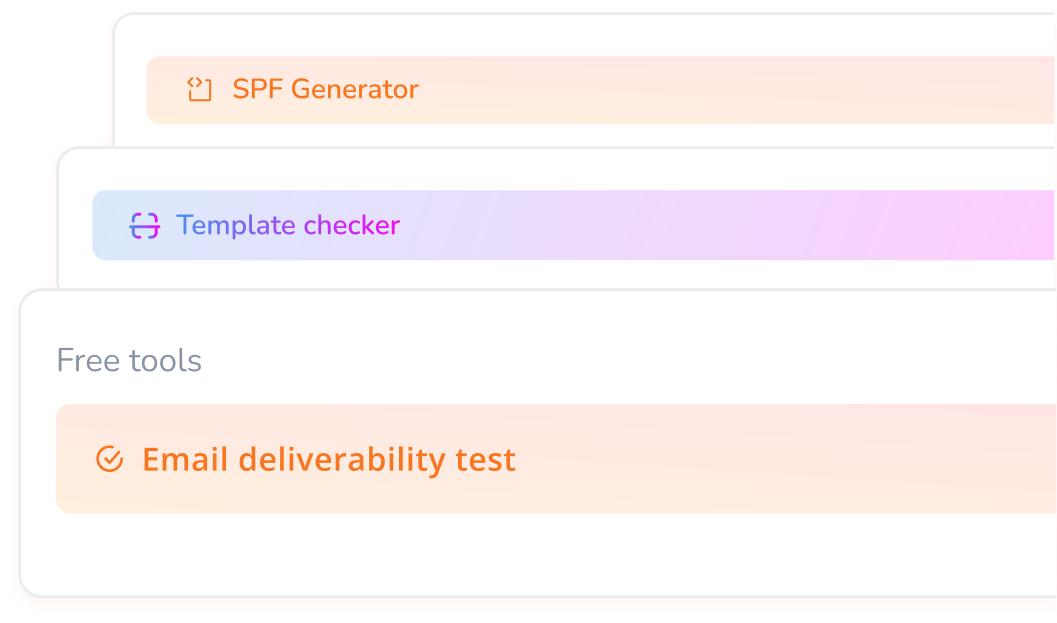
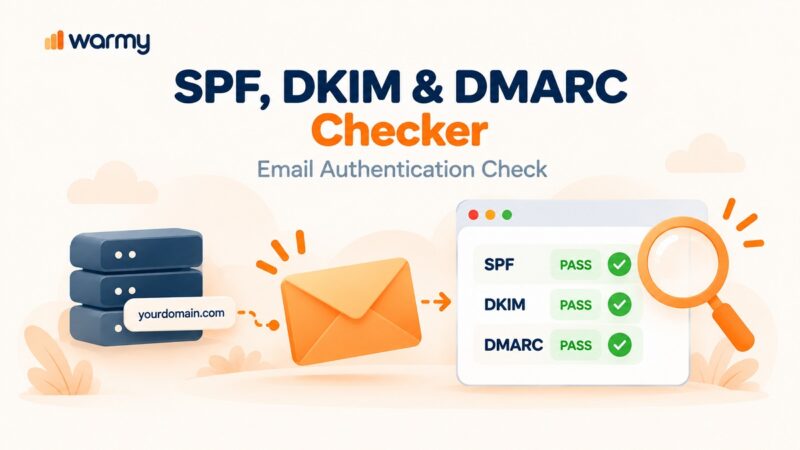
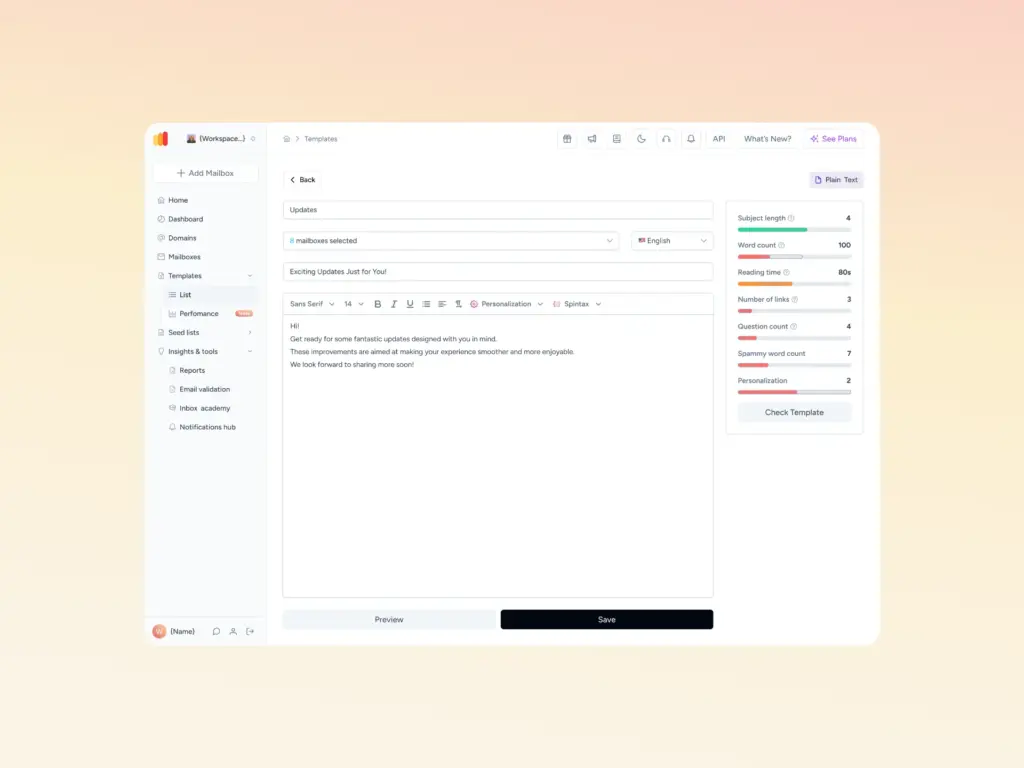
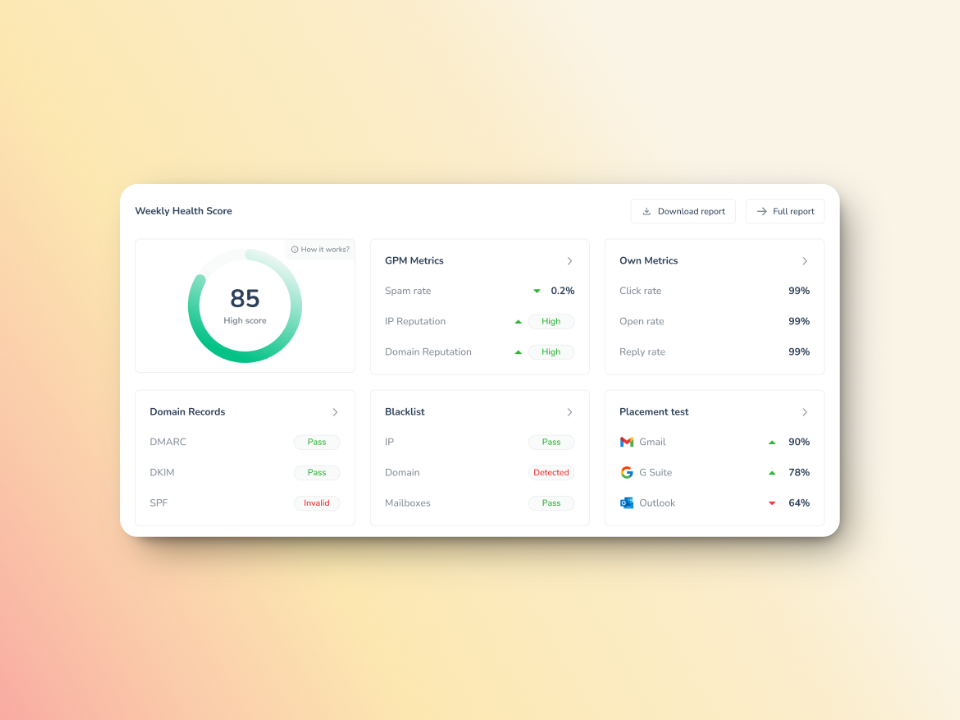
When you need to know if your emails are reaching the inbox, Warmy’s Email Deliverability Test shows you exactly where they land and why. The test delivers a detailed deliverability score by checking inbox placement across Gmail, Outlook, and Yahoo, scanning your domain and IP against major blacklists, and verifying that your SPF, DKIM, and DMARC records are correctly configured. You can also check your email content with the free Template Checker to catch spam trigger words before they cause a rejection.
Blacklist Monitoring
A blacklisted IP is one of the most common triggers for SMTP Error 471. Warmy monitors your IP against major spam blacklists and alerts you when a listing is detected, so you can take action immediately. For a full list of tools to remove your IP, see Warmy’s guide to IP blacklist removal.
Email Authentication Assistance
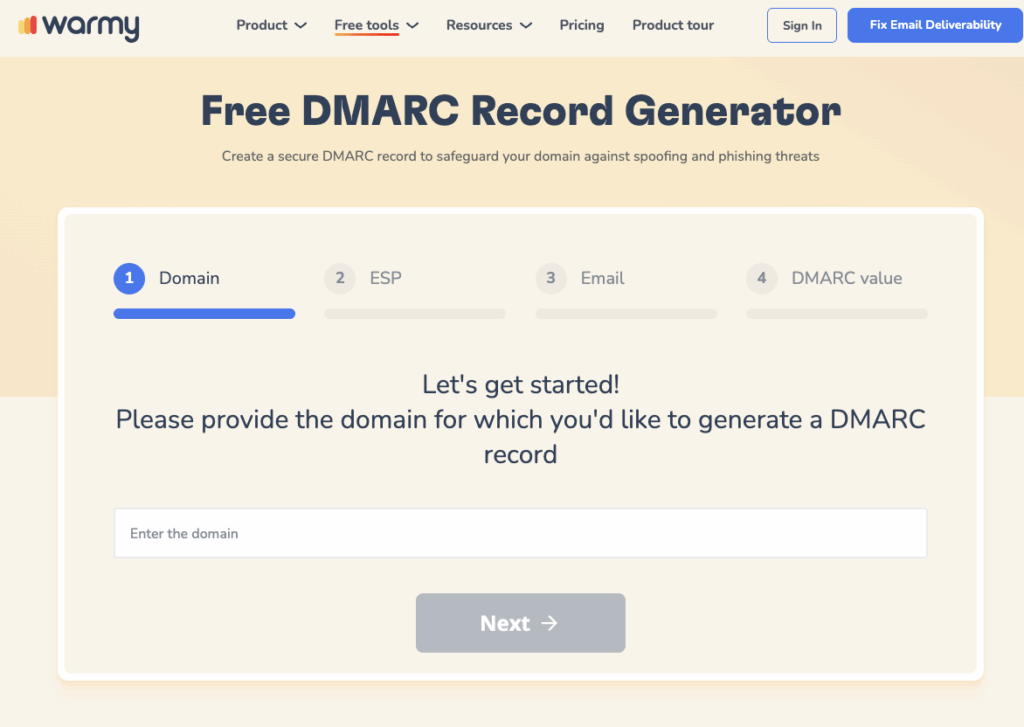
Correct email authentication is the foundation of deliverability. Warmy’s free SPF Record Generator and DMARC Generator help you create and validate your authentication records. Properly configured SPF, DKIM, and DMARC records signal to ISPs that your emails are legitimate and reduce the risk of temporary rejections like Error 471.
Book a Free Email Deliverability Consultation
For complex issues or a personalized strategy, Warmy provides access to email deliverability consultants who can review your full setup and recommend targeted solutions. You can also check Warmy’s in-depth guides on how to fix SMTP 550 email rejections, troubleshooting SMTP authentication errors, and configuring Gmail SMTP settings for step-by-step walkthroughs.

Conclusion
Resolving SMTP Error 471 starts with identifying the root cause: server overload, misconfigured SMTP settings, a blacklisted IP, or resource limits. Once you know the cause, the fixes above for Gmail, Outlook, and Yahoo give you a direct path to restoring email delivery. Keep in mind that Gmail and Yahoo now both require App Passwords or OAuth 2.0 for third-party SMTP access, so the old password-only approach will no longer work. For a broader guide on protecting your email sender reputation score, see Warmy’s dedicated resource.
The most effective long-term strategy is proactive monitoring. Tools like Warmy’s Email Deliverability Test and Domain Health Hub surface issues before they trigger SMTP errors, keeping your campaigns running without interruption.
Want to protect your sender reputation and prevent SMTP errors before they start? Book a free Warmy demo and see how Warmy’s AI keeps your emails in the inbox.