

SMTP Error 452 4.3.1 means the receiving mail server has run out of storage space and cannot accept new messages until room is freed up. It is a temporary (4xx) error, so the email is not lost – most servers will keep retrying delivery for 24 to 72 hours before it bounces permanently. The fastest fix is usually on the recipient’s side: clearing mailbox clutter, emptying Trash and Spam, or asking an administrator to raise the storage quota. This guide covers the exact causes and step-by-step fixes for Gmail, Outlook, and Yahoo Mail, plus how this error compares to other SMTP error codes and messages.
Email has become an essential tool for our daily communication, and this has only been possible through the Simple Mail Transfer Protocol without which our messages would not come through. Nonetheless, the display of SMTP Error 452 4.3.1 indicating an email server’s ‘Insufficient system storage’ can disrupt its efficiency when emails are prevented from delivering.
This error message isn’t simply a glitch, but it also spells doom on our end in case such a thing continues to happen. Therefore, its remedy and thorough elimination is required so we can continue accessing our emails freely without any stress due to delayed or failed deliveries. Below is a guide on how to handle SMTP Error 452 4.3.1 effectively.
Decoding SMTP Error 452 4.3.1
SMTP Error 452 4.3.1 is a server-side notification that appears when incoming emails cannot be processed due to a lack of storage. In other words, the SMTP Email Error 452 4.3.1 is the server’s sign to the sender: “I’m full, try again later,” which means that it is impossible to deliver an email until storage is freed up.
For the sender, it means that the message has not been delivered. Instead, a bounce-back email with this particular error code appears in the inbox. However, for the recipient, it means that some relevant emails may be missed until the problem is resolved.
Direct implications:
👉 For senders: The sender must act on Email Error 452 4.3.1 immediately if they badly need the message to reach the recipient. The most common applications of this error code are waiting for the addressee’s mailbox cleanup or searching for alternative modes of conversation.
👉 For recipients: The recipient needs to free up mailbox storage as quickly as possible to resume normal delivery. If this isn’t addressed promptly, important incoming messages may keep bouncing – even though the sender used the correct email address.
Causes of SMTP Error 452 4.3.1
452 4.3.1 belongs to a wider family of 452 responses, each pointing to a different resource limit. The generic SMTP Error 452 code covers mailbox overload broadly, 452 4.2.2 flags a recipient-specific quota problem, and 452 4.5.3 signals a rate-limiting response. The causes below focus on the two categories most specific to 4.3.1: server resource limitations and configuration issues.
1. Server resource limitations
- High volume of emails stored. In time, a server’s storage might fill up with a large number of emails, especially when the server has no command to delete emails after a specific time. Older emails which are not archived (whether automatically or manually) may also gradually reach the storage limit.
- Emails with attachments. When an email contains an attachment with a large file size, it takes up a lot of space in the server. When too many users are receiving and sending emails with large attachments, the server will reach its limit.
- Spam or junk mail accumulation. Servers without good spam filters in place may be filled by unsolicited emails.
2. Configuration issues
- Inadequate storage allocation. On some occasions, the problem is not the mail volume but the allocation of storage. If the servers have strict storage limits set or are not suited to the workload’s demand, the user may encounter SMTP Error 452 4.3.1.
- Lack of auto-cleanup policies. Without proper configuration to delete old data and transient data automatically, the allocation quickly becomes filled. Well-configured systems frequently delete data when it is no longer necessary, which frees up the allocated space.
- Inefficient data management. Decompression of email data and efficient archiving of backups are essential examples of data management techniques.
💡 Pro tip: Before assuming the fix is on your end, send a test message and check the full bounce-back header. A one-off 452 4.3.1 usually clears itself within a few hours; if the same recipient domain keeps rejecting your emails over several days, the mailbox is likely abandoned or the admin hasn’t raised the quota – at that point, a phone call or alternate contact method will resolve it faster than repeated retries.
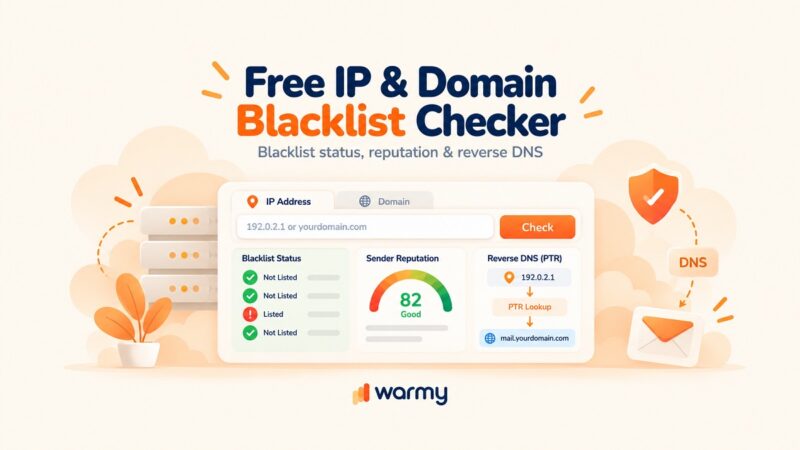
If storage-related bounces keep showing up in your reports, it’s worth checking whether the problem is really on the recipient’s end. Run Warmy’s free Email Deliverability Test to see your inbox placement across Gmail, Outlook, and Yahoo, confirm your domain isn’t blacklisted, and verify your SPF, DKIM, and DMARC records – ruling out sender-side issues before you spend time chasing a recipient’s storage limit.
Resolving SMTP Error 452 4.3.1
Gmail
- Clean up your inbox.
- Use Gmail’s search functionality to find and delete large emails or those with attachments.
- Empty your Trash and Spam on a regular basis to free up space immediately.
- Manage Google Drive and Photos.
- Since Gmail uses the same storage space with Google Drive and Google Photos, ensure these services aren’t consuming unnecessary space.
- Purchase additional storage.
- If you’re consistently hitting your limit, consider buying more storage through Google One. On Google Workspace accounts, storage is pooled across the organization, so an admin can also reallocate unused space from other users instead of paying for more; see Google’s official guide on Google Workspace storage limits.
Outlook
- Archive old emails.
- Use Outlook’s AutoArchive feature to move older emails out of your inbox and into an archive folder.
- Empty deleted items.
- Make sure to periodically empty the Deleted Items folder to recover space.
- Compact your Outlook data file
- Over time, deleted items can and will still consume space. Use the “Compact Now” feature to permanently remove these items from your data file. For Exchange Online and Microsoft 365 mailboxes, an admin can also raise the per-user quota directly – see Microsoft’s official documentation on mailbox storage limits in Outlook.
Yahoo! Mail
Bulk delete:
- Sort your emails by size and delete large, unnecessary emails, especially those with attachments.
Empty trash:
- Manually empty your Trash folder from time to time to immediately reclaim space.
Unsubscribe from unwanted emails:
- Reduce future clutter by unsubscribing from newsletters or promotional emails you no longer wish to receive.
Reminders for all platforms
- Review email forwarding and filters. Check and make sure you don’t have filters set up that are unknowingly redirecting and storing large amounts of email.
- Increase server quota (if possible). For server administrators, consider increasing the storage quota for email accounts or expanding overall server storage capacity.
- Monitor regularly. Keep an eye on your email usage and perform regular clean-ups to prevent hitting the storage limit.
- Free up local disk space. If you’re using a desktop email client, use built-in Disk Cleanup on Windows or Mac cleaning software to remove cached email data, temporary files, and other unnecessary items that may be consuming valuable space.
- Know the related temporary errors. Storage limits aren’t the only cause of 4xx deferrals. SMTP Error 421 4.3.2 and 421 4.3.0 both point to temporary server resource issues, while 421 4.4.5 signals server congestion from high sending volume – recognizing the difference helps you diagnose the right fix faster.
💡 Pro tip: Set a recurring calendar reminder – monthly for personal accounts, weekly for shared or high-volume mailboxes – to sort by size and clear out the largest attachments. Storage issues almost always build up gradually, so a small, regular habit prevents the sudden bounce-back that costs you time-sensitive messages.
Leveraging Warmy.io to tackle SMTP Error 452 4.3.
Warmy.io stands as a proactive solution in preventing SMTP Error 452 4.3.1, which is often caused by server storage reaching its limit. By maximizing Warmy.io’s email warmup services, users can gradually build their email account’s sending reputation without overloading the server. This approach not only helps in maintaining server storage at manageable levels but also enhances email deliverability.
You may want to check these out:
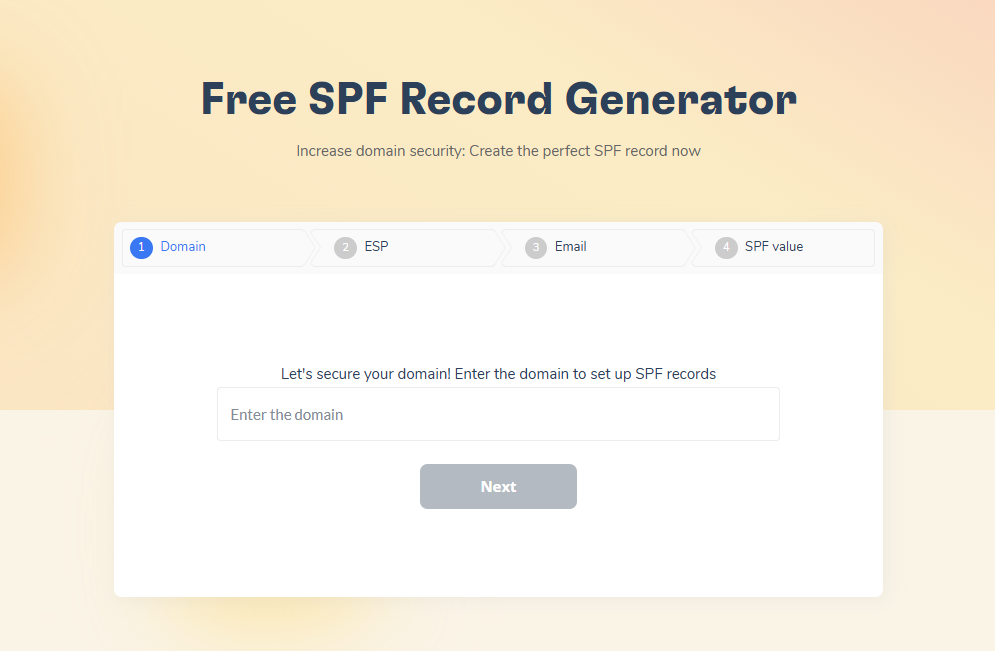
- Free email deliverability test to identify and correct potential deliverability issues before they escalate.
- SPF and DMARC record generators fortify email security, reducing the influx of spam that can contribute to storage issues.
These features collectively ensure a balanced email traffic flow, preserving server capacity and reducing the likelihood of encountering SMTP Email Error 452 4.3.1.
In essence, Warmy.io improves overall email health and hygiene, making it a valuable tool for anyone looking to maintain efficient email communication and server management. This streamlined approach saves time and resources, allowing for uninterrupted email flow and optimal server usage.
Moving beyond SMTP Errors with Warmy.io and enhanced deliverability
SMTP Error 452 4.3.1, which signals inadequate storage on the server, is a major roadblock to smooth email communication.
Dealing with this barrier requires a combination of immediate and mitigating actions meant to free server space and ensure that the error does not recur in the future. The only way to master this challenge is to study its causes, ranging from the limit of server resources to the faultiness of their configurations, and develop remedies that would be applicable to all popular email platforms represented by Gmail, Outlook, Yahoo!, and the like.
This could mean getting a grip of specifics of large email platforms or securing viable alternatives in case email certification is required. Actively cleaning up inboxes, getting a grip on attachments, and resetting server alerts and notifications are the go-to options.
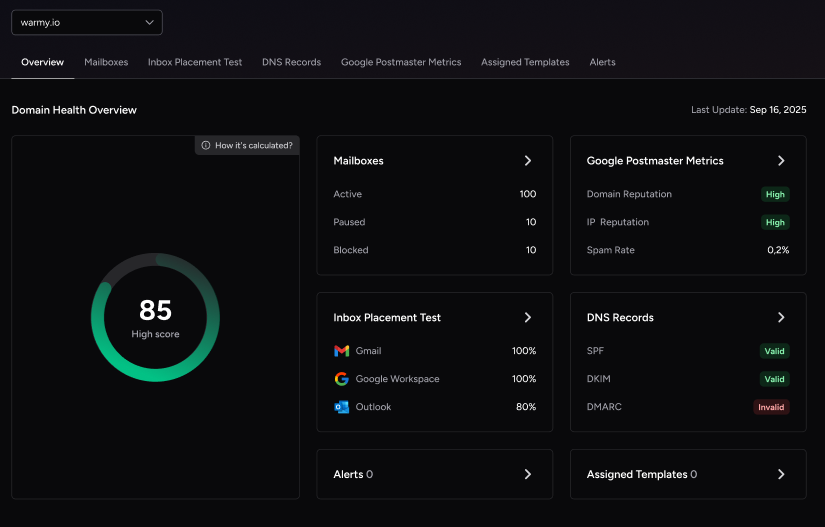
However, a more comprehensive approach may include using services like Warmy.io that lessen the risk of encountering SMTP Error 452 4.3.1. The software’s email warmup process, deliverability checks, and authentication records not only improve mail deliverability but also promote better email organization and security, which saves server space.
Ready to stop firefighting storage-related bounces? Book a free demo with Warmy.io and see how automated warmup, deliverability testing, and authentication monitoring keep your sending reputation – and your server storage – under control.